Load and runtime
Start with continuous load, peak demand, required runtime and reserve policy.
VERIFYPower and energy requirementESS application · 19-inch rack battery
A 19-inch module can simplify the battery layer, but a viable ESS still depends on load, inverter, protection, cabinet and commissioning decisions.
Buying question
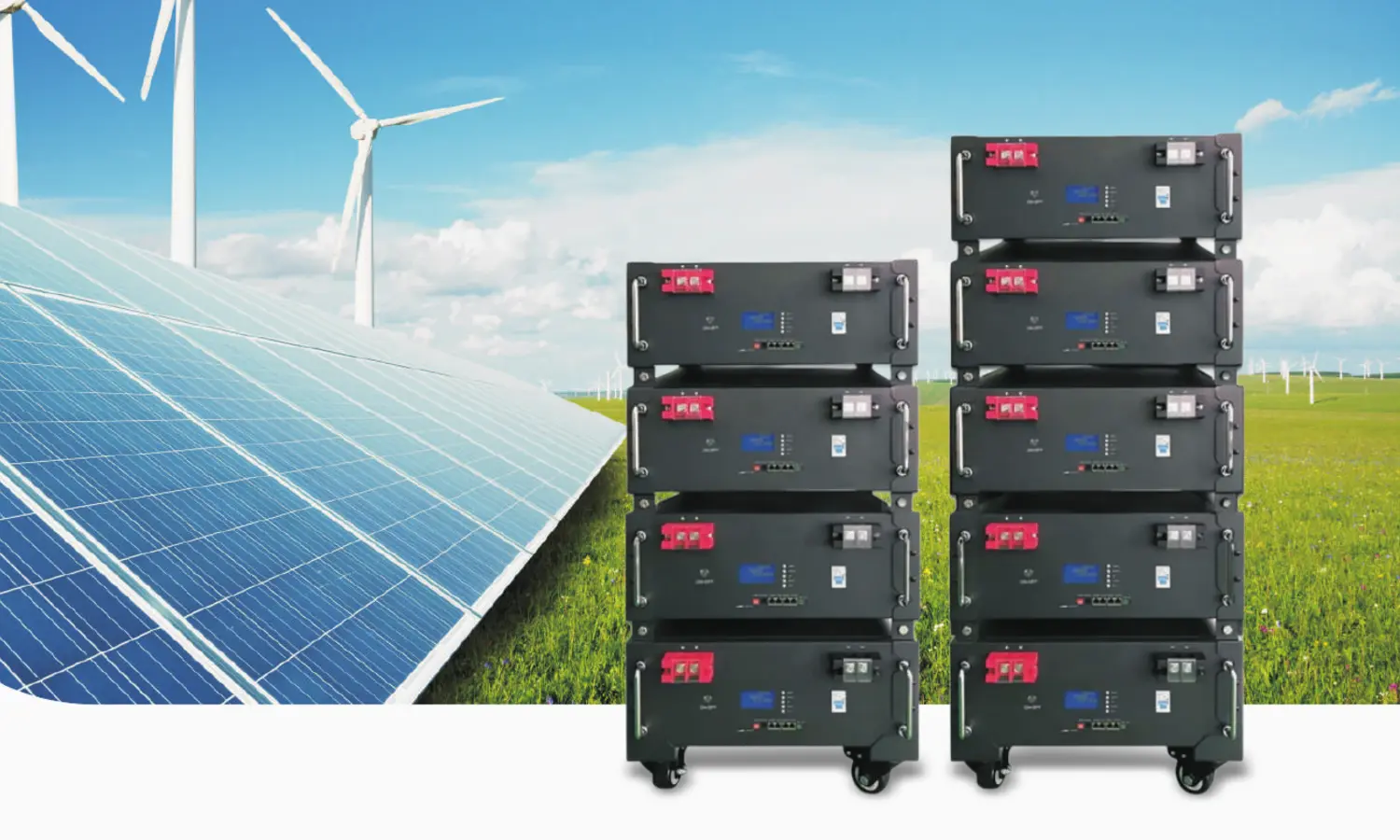
The catalogue lists rackmount modules for solar and wind storage, telecommunication, standby power, electric power systems and data centres. Those application labels establish a possible fit; they do not size the system or confirm the inverter, cabinet, DC protection or runtime.
See the decision in the equipment.
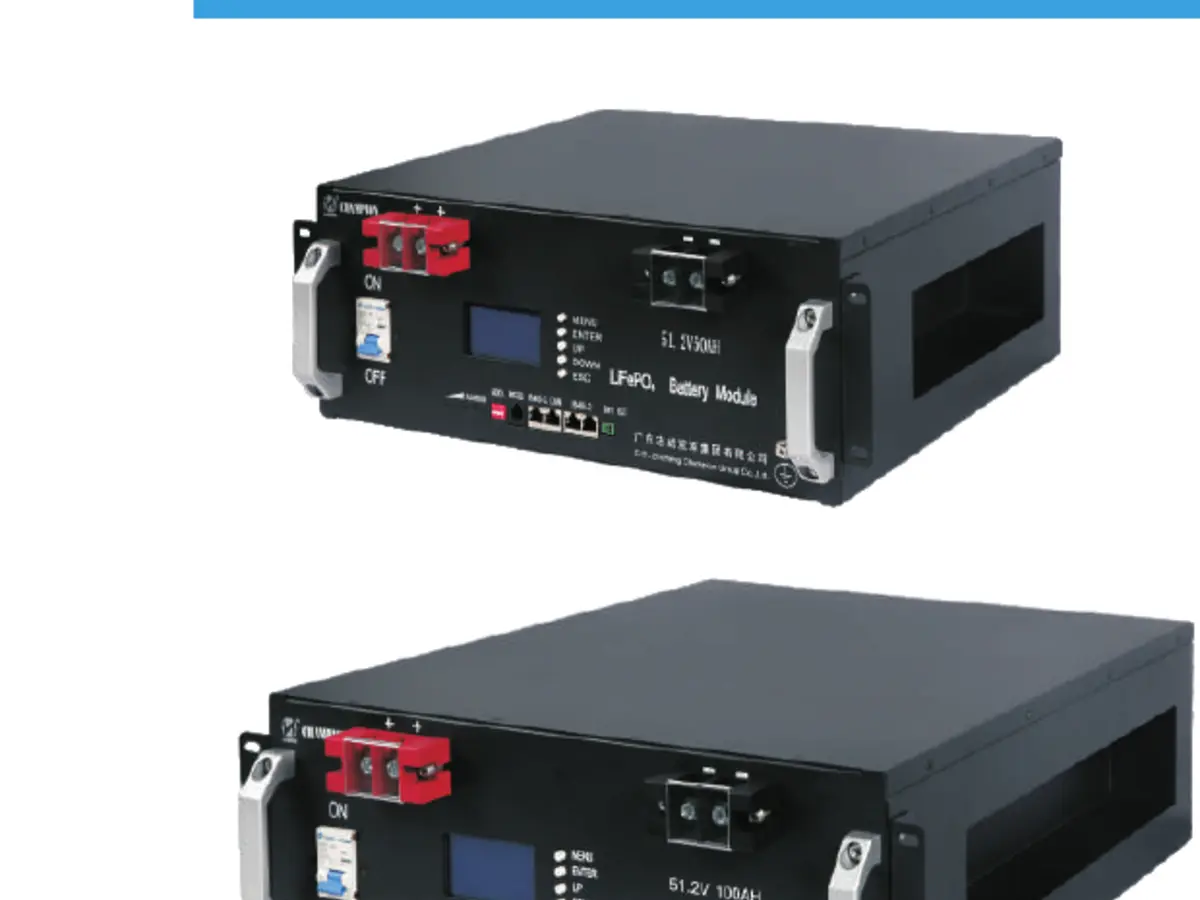
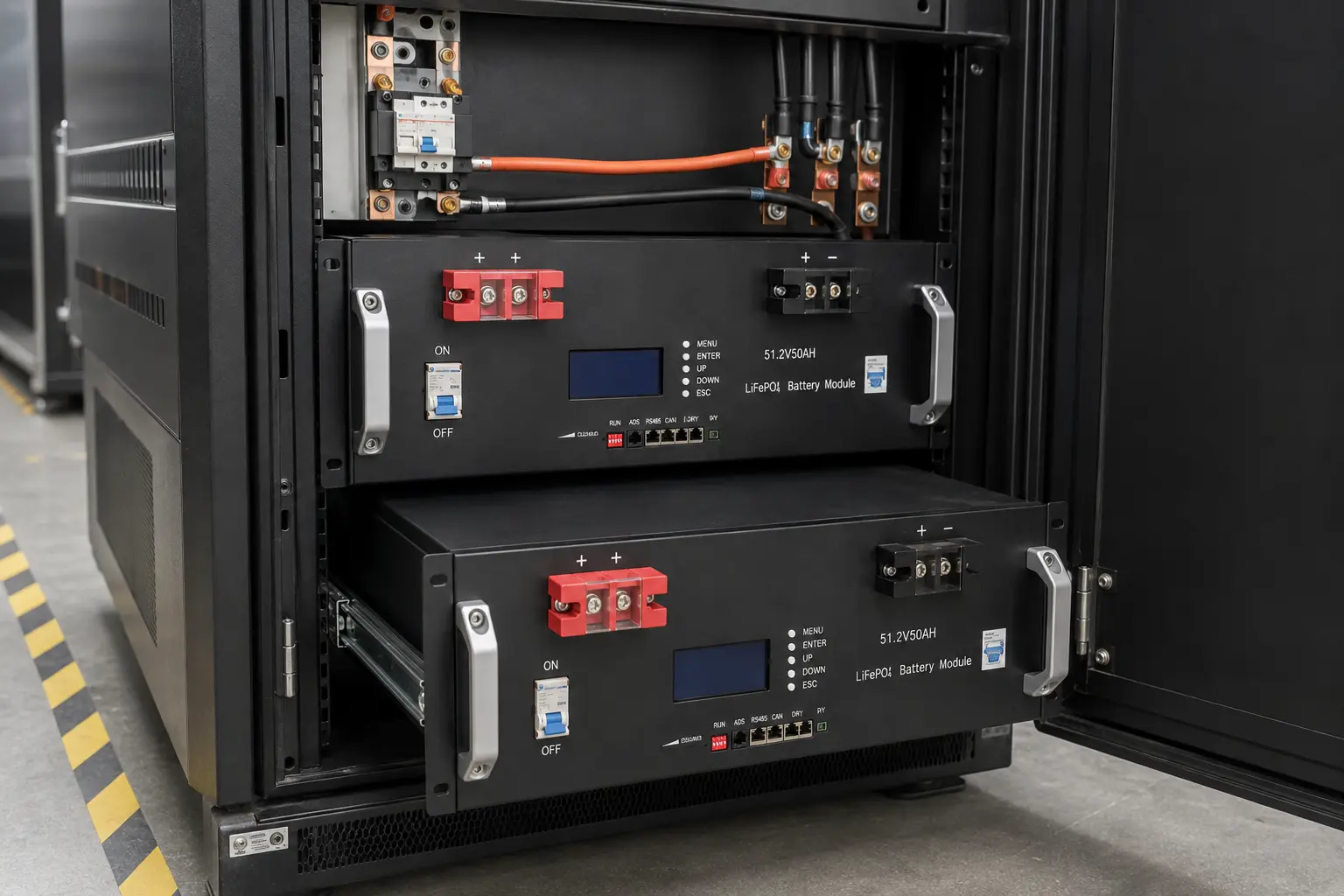
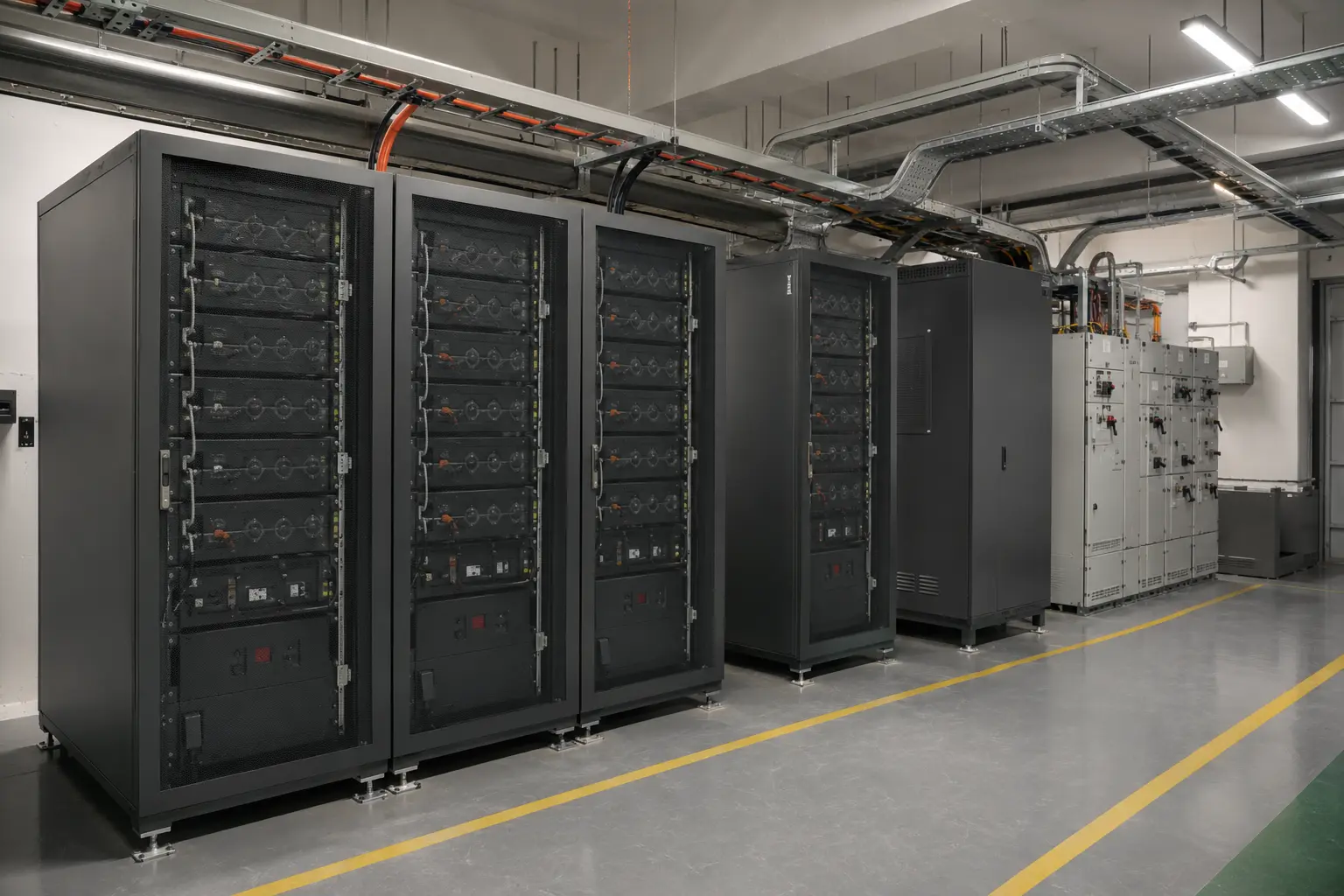
A correct battery choice must work at all three levels. Use the product page for ratings, the interface guide for communication, and the installation information for rack, protection and service access.
Selection framework
Use each checkpoint before treating a catalogue option as a project-ready battery choice.
Start with continuous load, peak demand, required runtime and reserve policy.
VERIFYPower and energy requirementConfirm DC window, charging ceiling, current and the required communication protocol.
VERIFYExact inverter modelReview module count, rack depth, weight, service access, cable routes and ventilation.
VERIFY425mm or 800mm module depthDefine breakers, fusing, disconnects, grounding, contactors and emergency shutdown responsibility.
VERIFYBattery, rack and system protectionTreat the catalogue 16P statement as a review limit, not a complete parallel-design instruction.
VERIFYFirmware, addressing and current sharingPlan inspection, communications, alarms, charge/discharge tests and acceptance records.
VERIFYProject-specific test planAvoid a wrong purchase
The most expensive error is assuming one matching label proves the complete electrical, communication and installation fit.
Application context
Application names are starting points. Load, runtime, inverter, protection and installation conditions determine the final configuration.
Load profile, resilience objective, cycling duty and site integration lead the design.
DC plant voltage, unattended operation, alarm integration and redundancy are central.
Critical-load definition, transfer behaviour, runtime and recharge window drive selection.
Availability, redundancy, monitoring, service access and acceptance procedures require system-level review.
LiFePO4 product range
Technical FAQ
Answers are limited to the supplied catalogue and normal integration boundaries.
No. It is the battery module layer. A complete ESS may also require a rack or cabinet, DC protection, inverter or PCS, controls, cabling, thermal management and commissioning.
The catalogue lists a maximum of 16P, but the actual design requires confirmation of BMS firmware, addressing, cabling, protection and current sharing.
The catalogue states 19-inch rack installation and lists a depth of 800mm. The selected cabinet must accommodate depth, weight, cables and service clearance.
Solar and wind energy storage, telecommunication, standby power, electric power systems and data-centre use are listed.
Provide the load, peak power, runtime, inverter, rack space, environment, communications, redundancy objective, quantity and location.
LiFePO4 rackmount RFQ
Your inquiry will automatically include this source page and the LiFePO4 Rackmount product family.