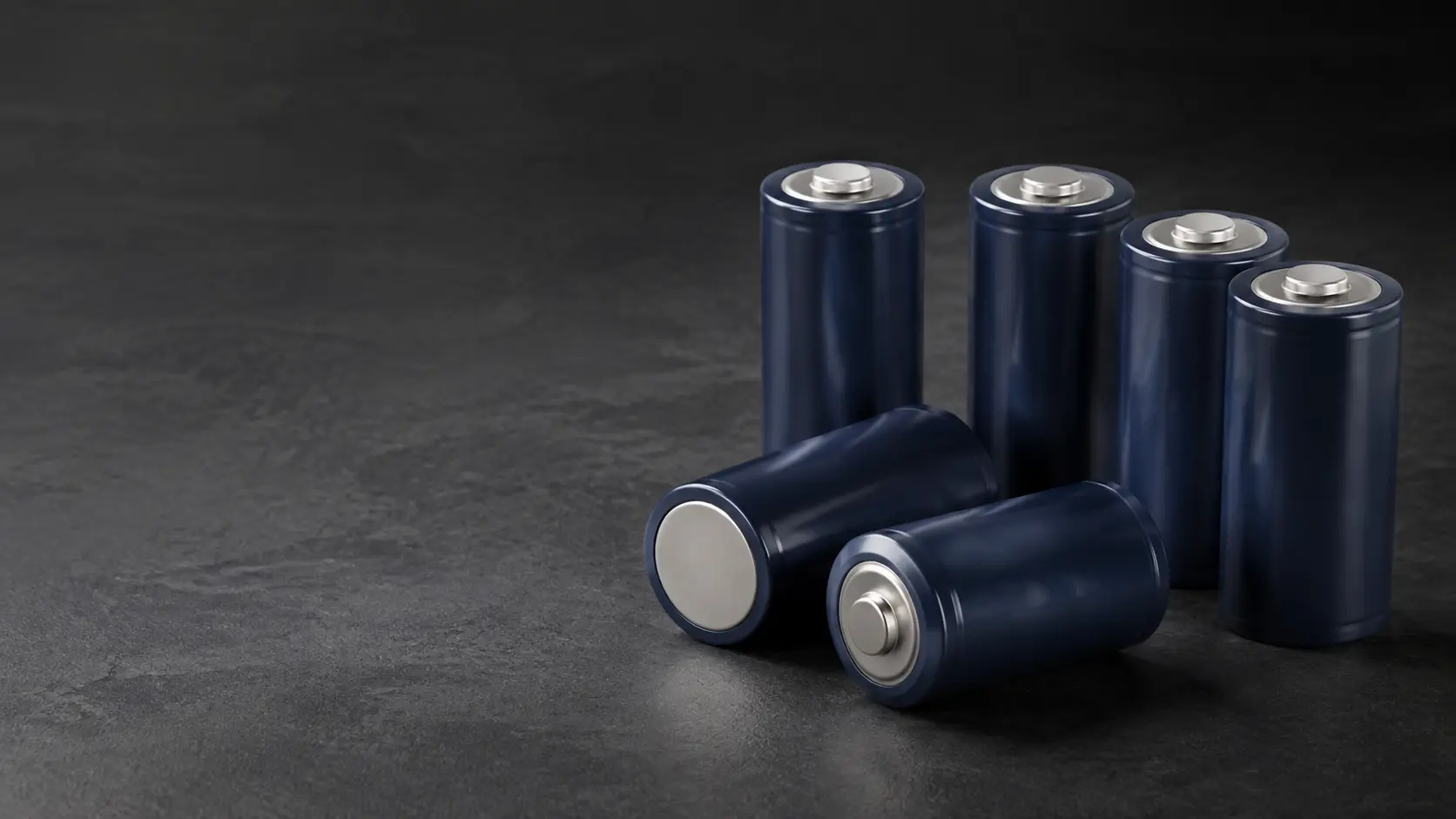
OUTDOOR EQUIPMENT
Monitoring, controls and field machinery
For equipment exposed overnight, intermittent starting loads and limited heater power.
Low-temperature sodium-ion technology
Selected sodium-ion cells may be evaluated for discharge operation at temperatures as low as −40°C. We connect the temperature claim to the exact cell, load, cutoff and system design—so buyers can judge whether it fits a real project.
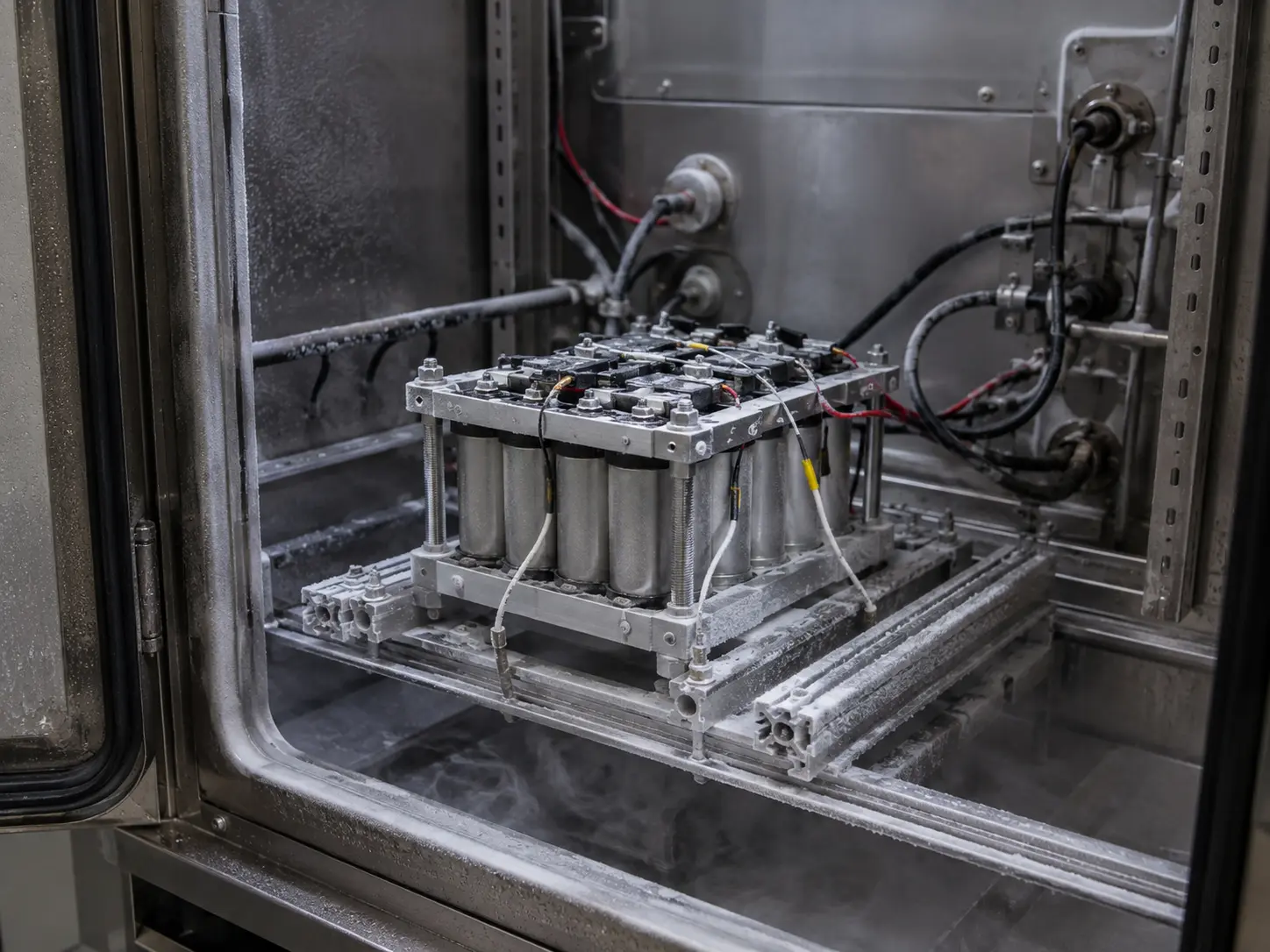
Selected sodium-ion cell discharge evaluation—not an automatic pack-level guarantee.
Why buyers care
For remote or exposed systems, the useful question is not simply “can it work at −40°C?” It is whether the battery can deliver the required current and runtime after cold soak, while the BMS, enclosure and charging policy remain safe and practical.
Application fit
These are qualification targets, not blanket approvals. Each project still needs its voltage, load, runtime, cold-soak duration and charging scenario checked.
For equipment exposed overnight, intermittent starting loads and limited heater power.
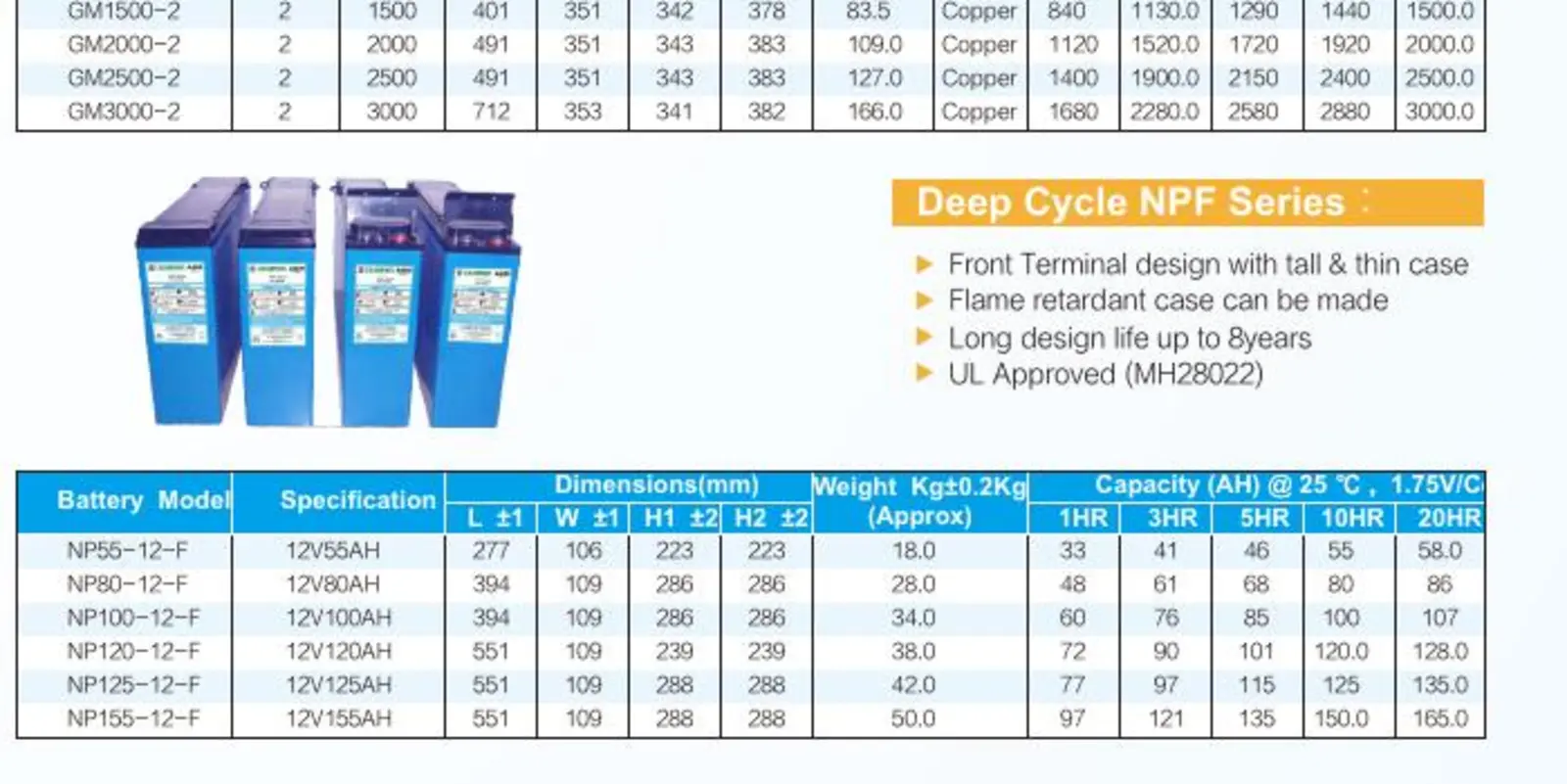
For unattended sites where service visits are difficult and cold-start readiness matters.
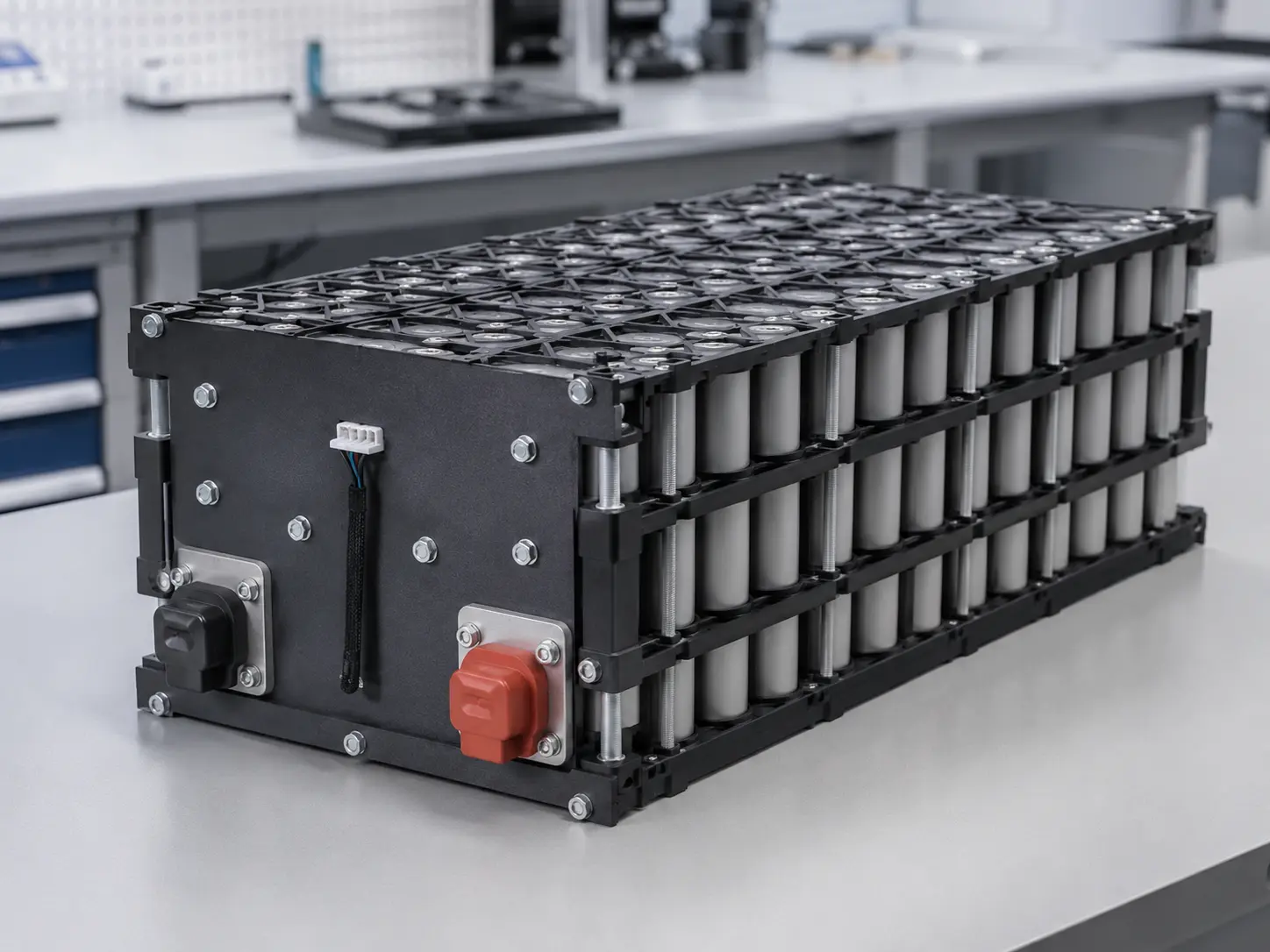
For backup, sensing and control systems near refrigerated or frozen environments.
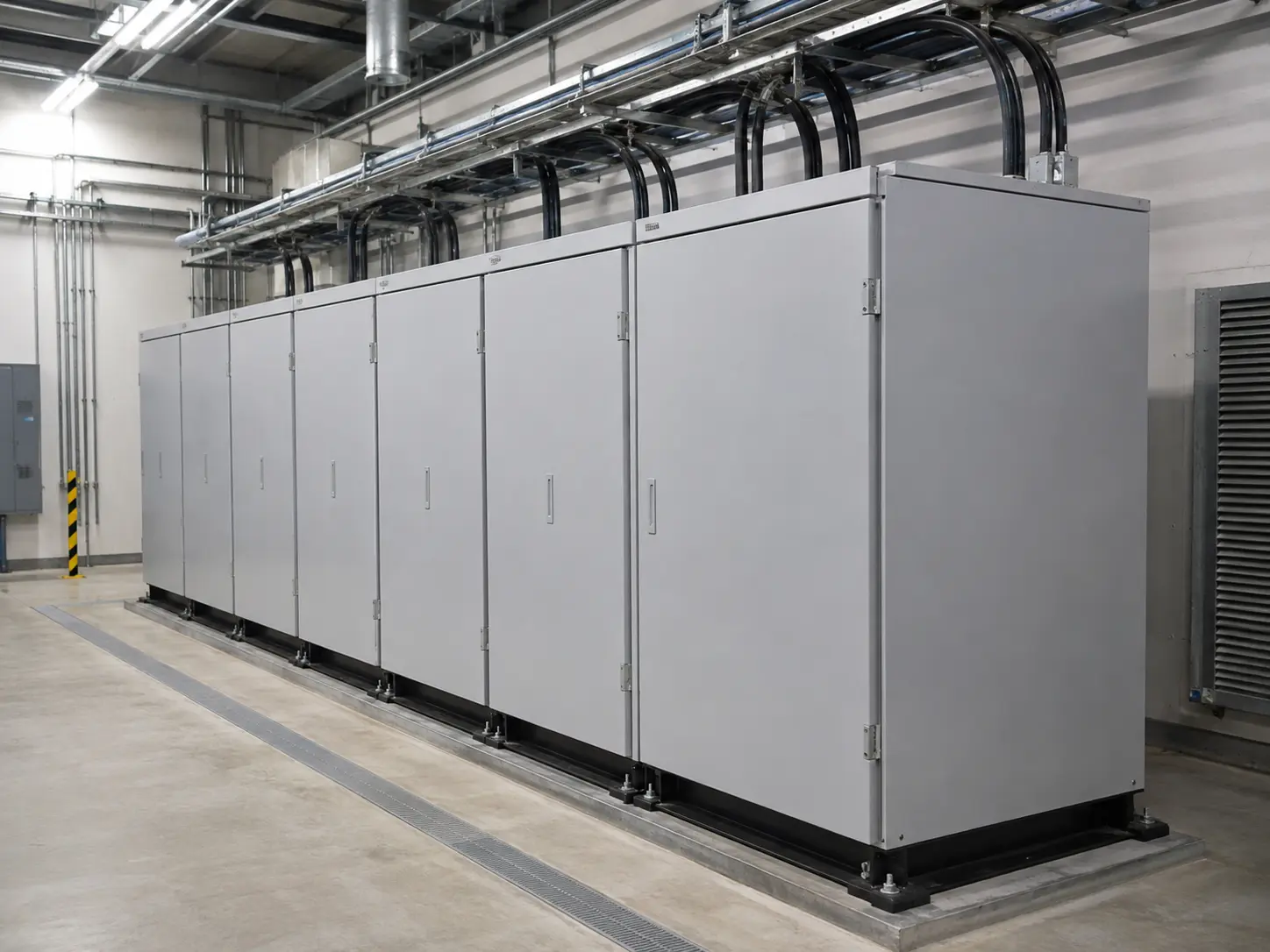
For seasonal cold exposure where load, solar recovery and autonomous operation interact.
The −40°C question
−40°C operation should be promoted as a product-specific evaluation capability, not as a universal sodium-ion promise. The supporting record must connect an exact cell or sample to temperature stabilization, state of charge, current, cutoff voltage and measured output.
Pack-level suitability also depends on BMS limits, cell matching, wiring, enclosure, thermal strategy and whether the requirement applies to discharge, charging, standby or storage.
Technical support for buyers
You do not need to prepare a complete engineering package before contacting us. Start with what you know; we will help organize the product information, application questions and next verification steps.
Start with the information needed to compare a cell, module or battery system against your basic electrical and mechanical requirements.
Available by product and project scope: specifications, dimensions, configuration information and relevant certificates.
We review how voltage, current or power demand, operating temperature, duty profile and integration constraints affect product selection.
Please share: voltage window, load profile, ambient range, installation space and project stage.
Where relevant records are available, we explain the product, sample and test conditions behind the result so it can be interpreted correctly.
Discussion may cover: temperature, SOC, current or C-rate, cutoff, sample basis and test method.
If a standard document does not answer a project-specific question, the next step is to define what must be confirmed before design commitment.
Possible scope: sample evaluation, interface confirmation, environmental checks or agreed acceptance criteria.
Even if some conditions are not fixed yet, send the expected voltage, load, temperature, space, quantity and timeline. We will identify the most important questions first.
Discuss your application →Evidence needs context
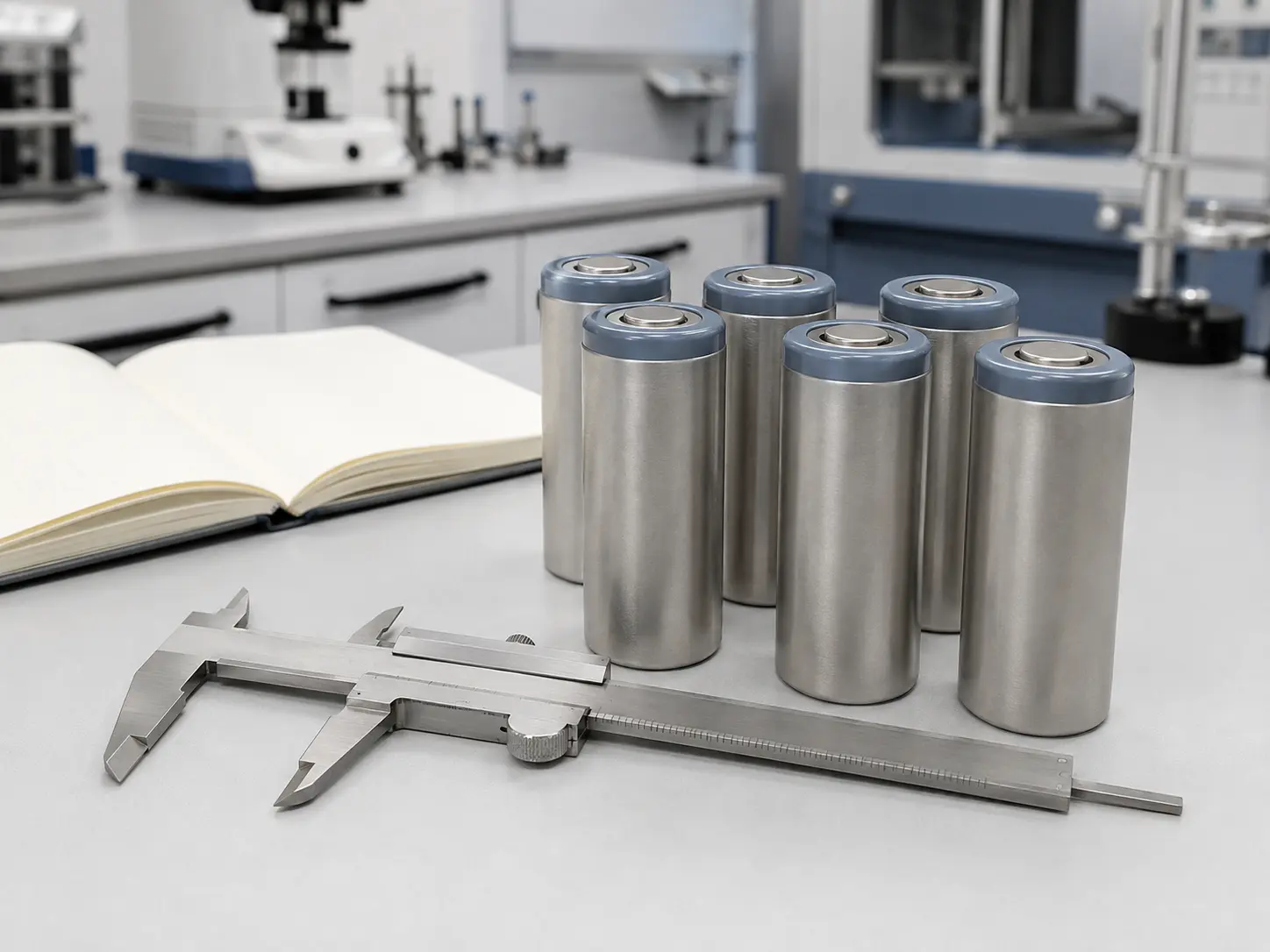
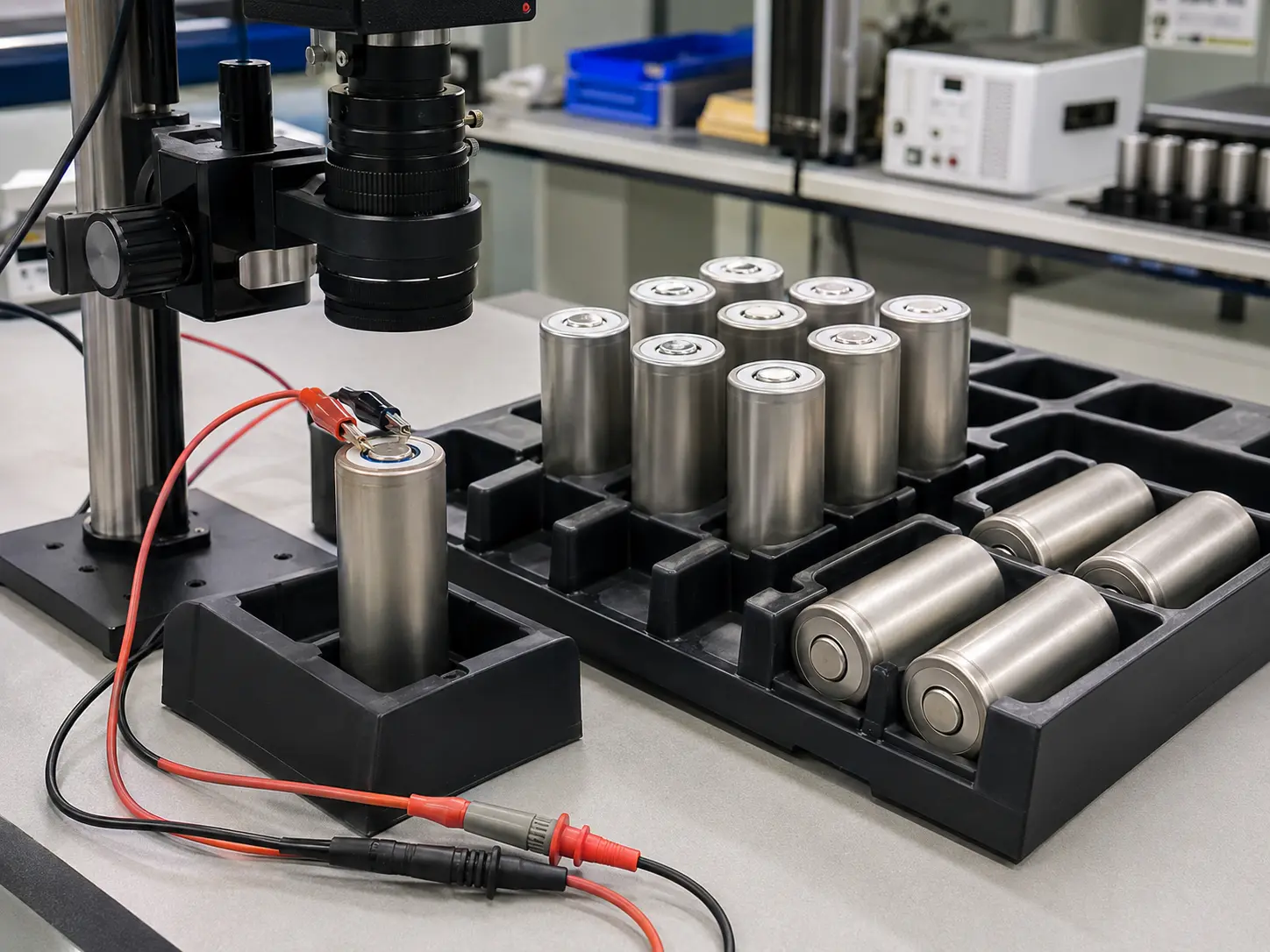
These concept images illustrate the questions that should accompany a real product photo, inspection image or test setup.
From inquiry to technical direction
The purpose of technical evidence is to make selection easier—not to create a barrier. We organize the available information around your actual application and make the next action clear.
Tell us the product level, voltage range, power or current profile, operating temperature, available space and project timing.
We compare your requirements with the relevant sodium-ion cell, module or energy-storage system options.
Relevant specifications and available test information are reviewed together with their operating conditions and limits.
Any remaining interface, environmental or performance questions are organized into a focused confirmation list.
Once scope and critical assumptions are aligned, the discussion can progress to samples, configuration, commercial quotation or custom development.
You can contact us during early evaluation. Unknown details can be identified and confirmed as the project develops.
Technical evidence gate
A value failing an evidence-critical check stays qualitative or unpublished. SEO and sales pressure do not override the technical boundary.
Discuss Your ApplicationResponsible wording
This omits the product, current, cutoff, test method and whether the statement is a rating or one sample observation.
The final statement must identify the exact product, temperature, load, cutoff, measured result and source before a number is added.
Evidence FAQ
These answers explain the evidence framework. Exact documents and product values require technical confirmation.
A value remains unpublished when the exact product, source, units, test conditions, approval status or application boundary has not been confirmed. Omitting an unverified number is more accurate than estimating it.
No, not automatically. A sample result describes what identified samples did under stated conditions. A guaranteed commercial specification requires an appropriate manufacturer or approved product source.
It should identify the product or samples, test purpose, procedure, temperature, state of charge, current or rate, cutoff criteria, sample quantity where known, measured result, date or revision and responsible organization.
The review checks the exact cell, chamber setpoint, stabilization, state of charge, discharge current, cutoff voltage and measured output. A result at one temperature and load is not extended automatically to every pack or application.
Publication of that value stops until the difference is resolved. The values are not averaged and the better-performing number is not selected simply for marketing.
Yes. Available technical documents can be discussed after the product, application and confidentiality boundary are understood. Submit the relevant requirements through the technical RFQ.
No. They are supporting engineering concept visuals. Actual evidence requires an identified source document, product, conditions, result and approval status.
Controlled technical request
Share the product level, load, temperature and project stage. We can identify which specifications, sample evidence and engineering decisions are needed next.