Power available at temperature
We check current, voltage sag, cutoff and delivered capacity after the specified cold soak.
Cold-climate sodium-ion battery qualification
We review the cell, BMS, conductors, enclosure and thermal strategy against the load your equipment must deliver after cold soak. No minimum-temperature value becomes a product claim until the exact product and supporting test conditions are verified.
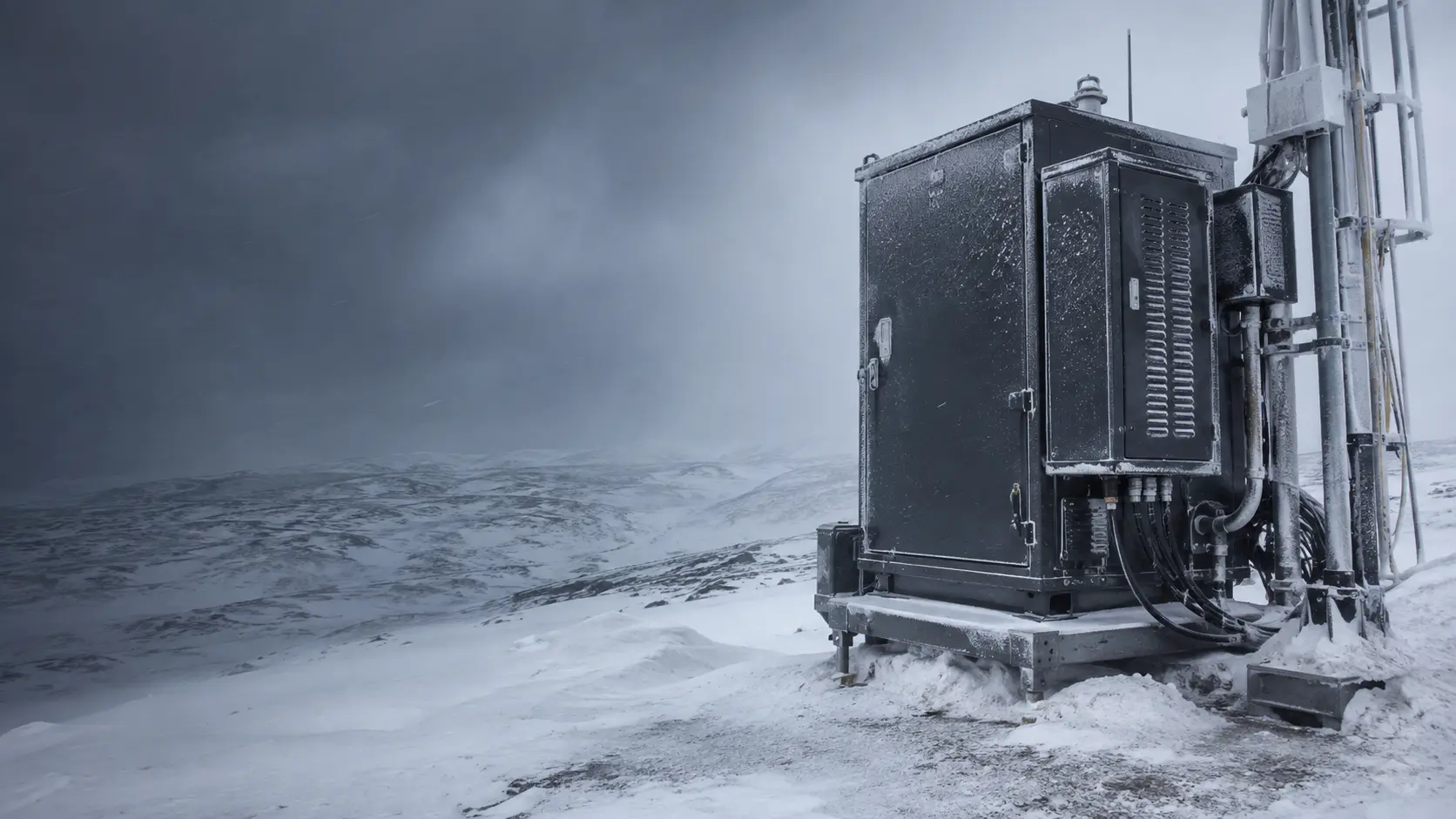
Qualification approach
Send the minimum cell temperature, cold-soak duration, starting SOC, continuous and peak current, cutoff voltage and required runtime. These conditions define the evidence required before a cell, module or pack can be shortlisted.
The final recommendation must align the identified cell, BMS limits, conductors, enclosure and thermal strategy with documented operating conditions.
Four operating conditions
Each condition has its own temperature, current and control limits. This prevents a discharge rating from being incorrectly applied to charging or long-term storage.
We check current, voltage sag, cutoff and delivered capacity after the specified cold soak.
We define allowable temperature, charge current, BMS limits and any preheating requirement.
We review storage SOC, duration, self-discharge, enclosure and the expected wake-up condition.
We define warm-up time, condensation control, charger behavior and return-to-service criteria.
Application engineering
We configure the cell, module or pack for the actual installation: minimum temperature, cold-soak time, startup peak, continuous load, runtime and charging window.
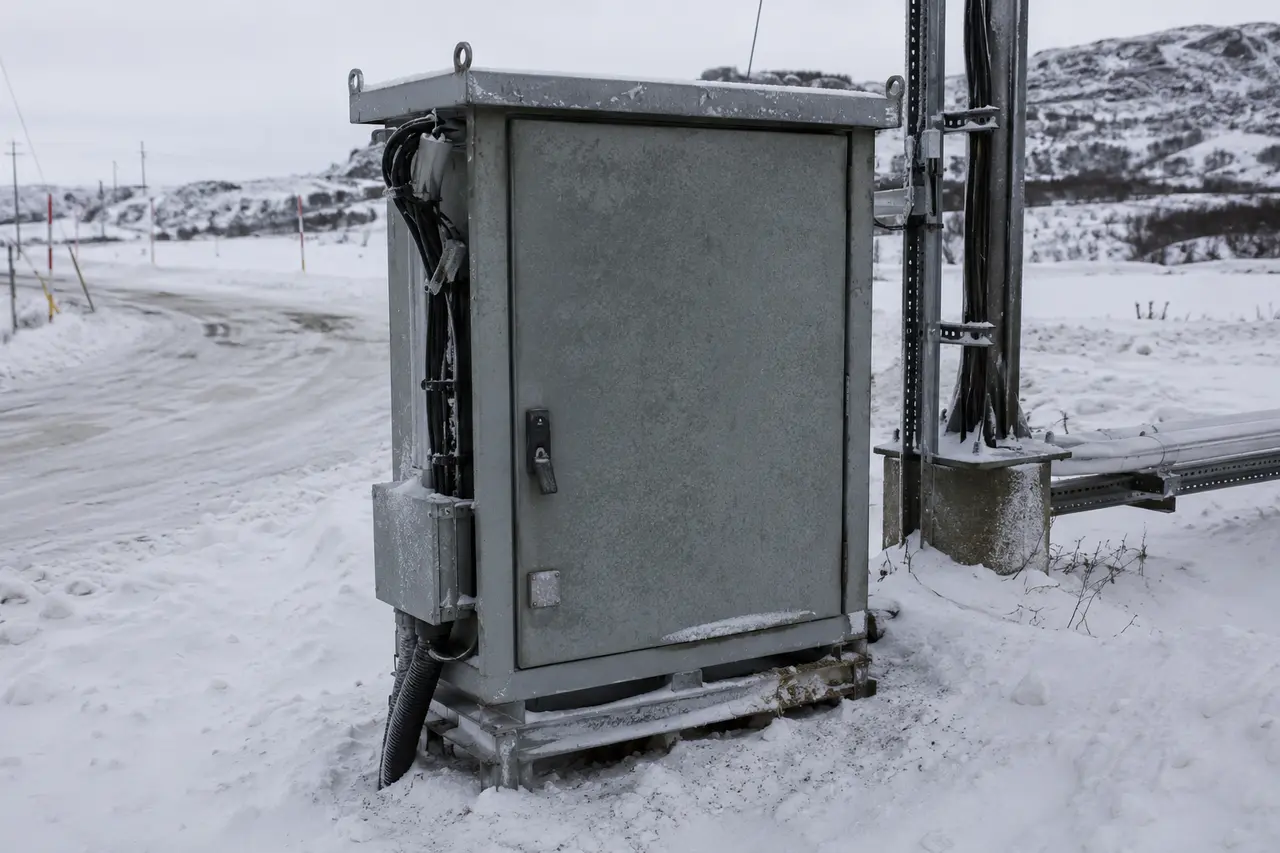
For roadside, utility and industrial equipment that must restart after overnight cold soak.
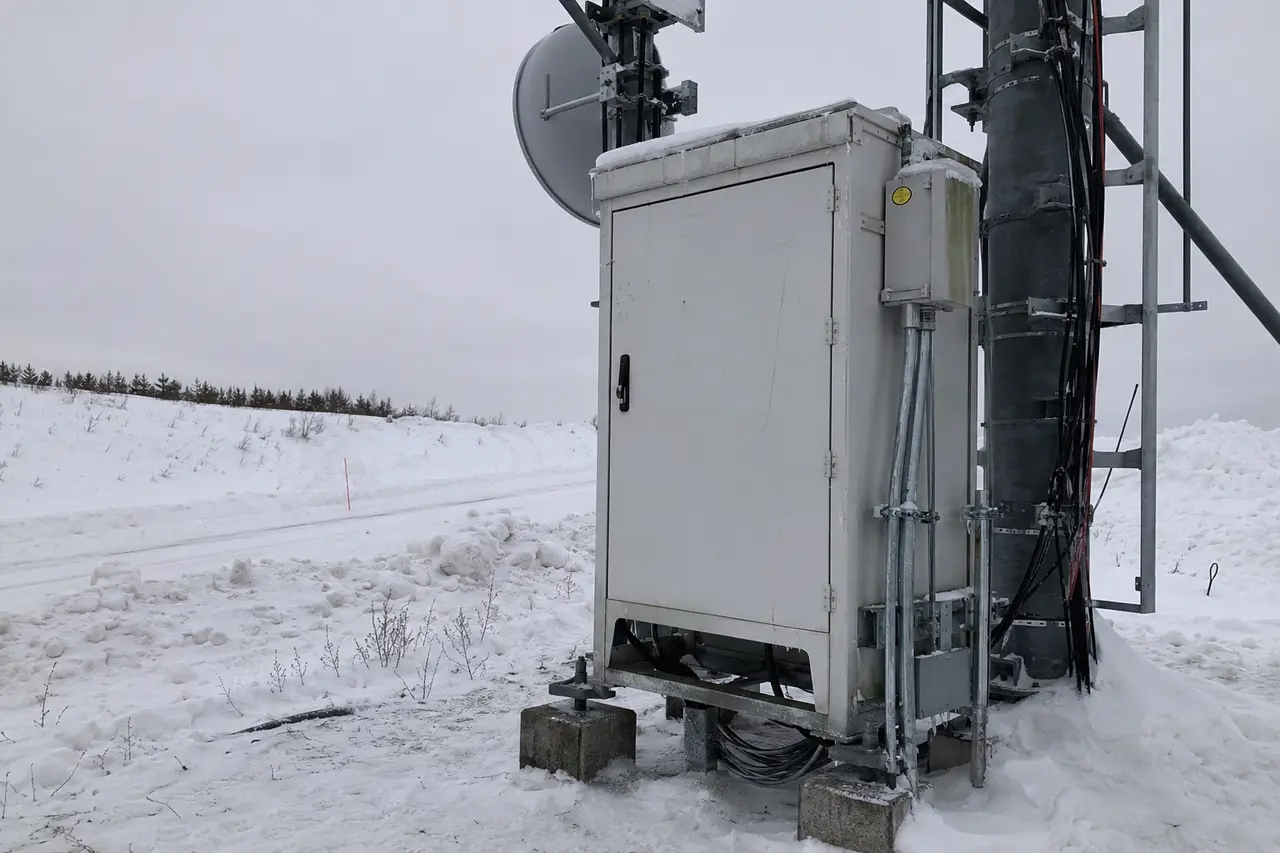
For winter sites where service access is limited and dependable startup current is required.
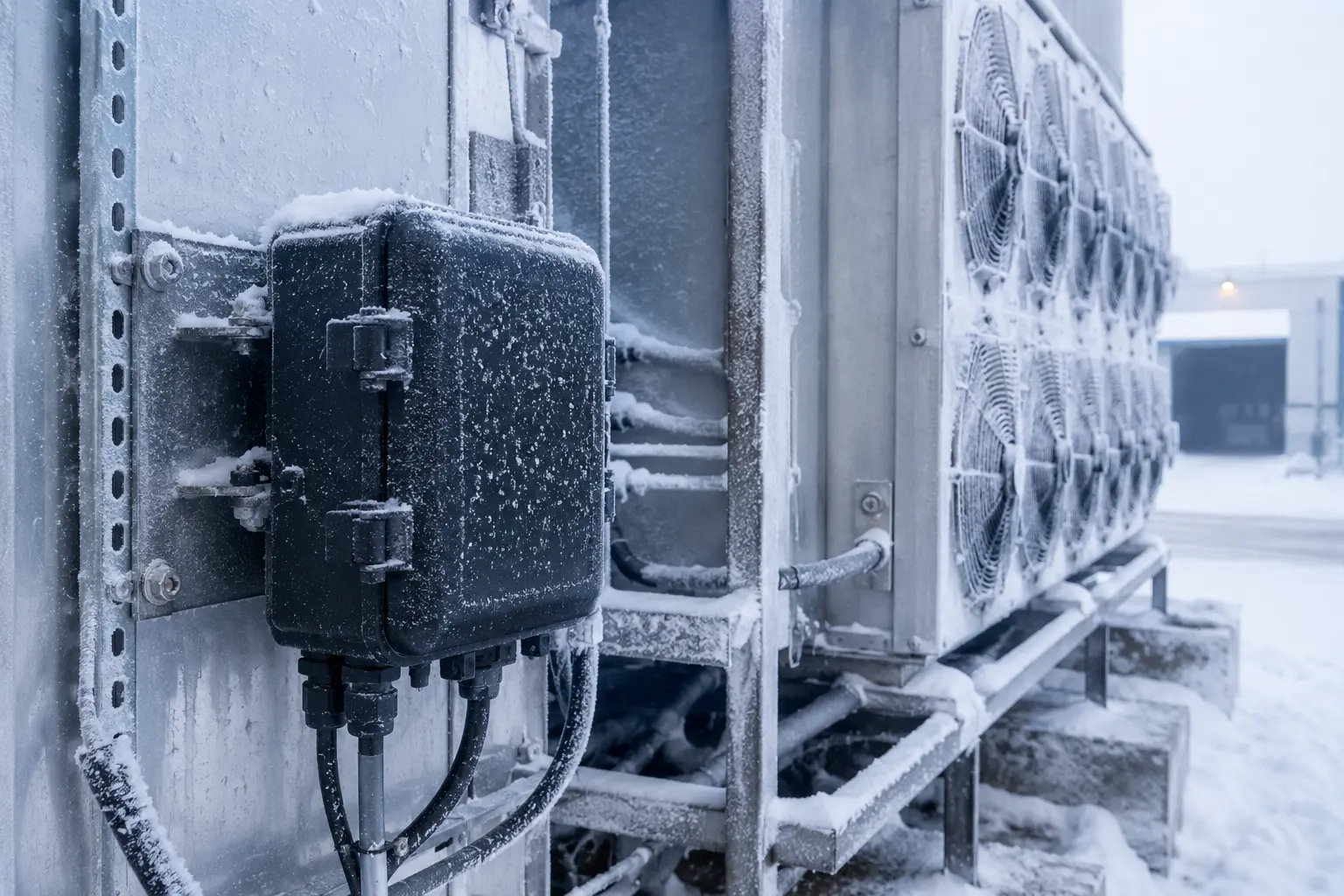
For monitoring, access control and backup systems installed near refrigerated or frozen work zones.
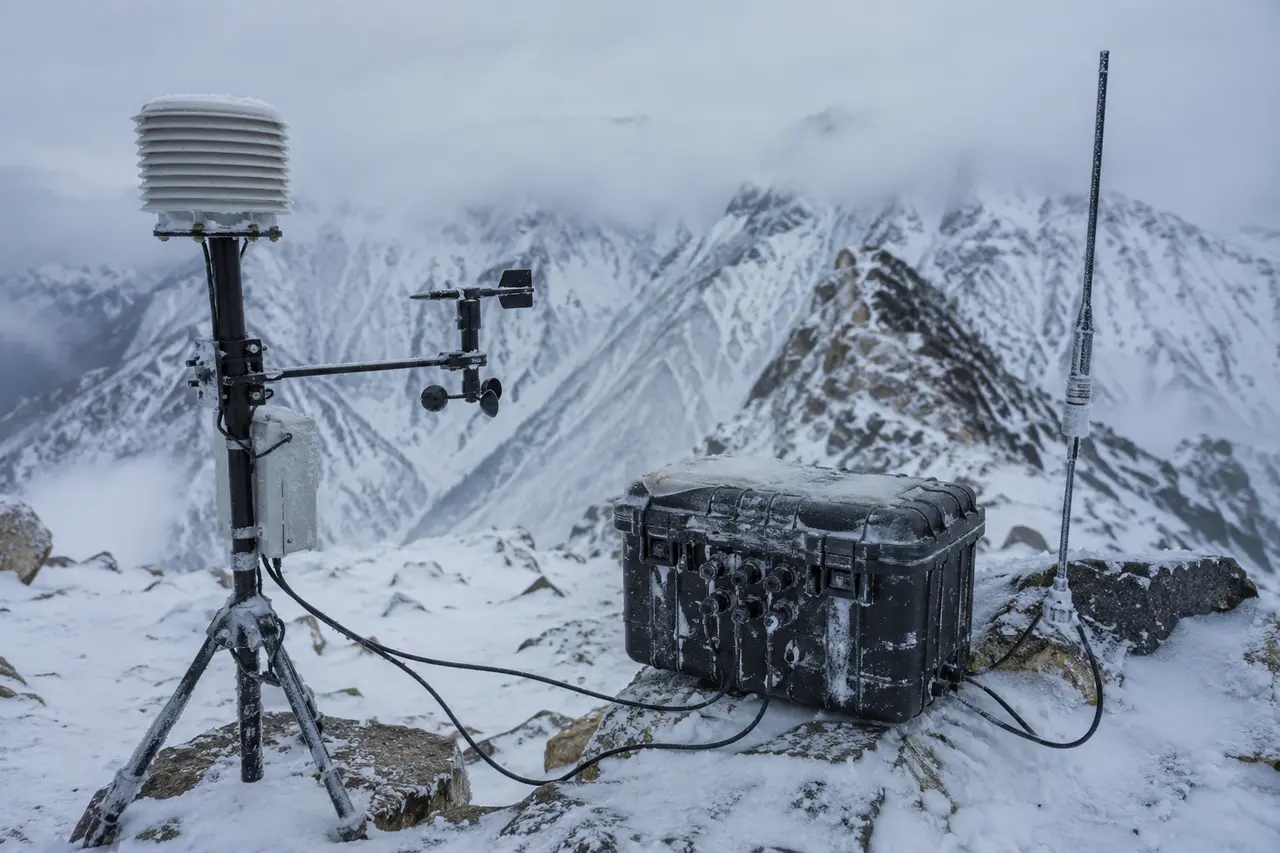
For weather instruments, communications and portable field systems exposed to cold, wind and rapid temperature change.
Extreme cold environments
Each project requires an identified product and evidence covering the actual cold-soak, load and recovery conditions.
Outdoor telecom, monitoring, traffic systems, security equipment and remote backup may remain below freezing for days. Send the winter minimum, wind exposure, enclosure temperature and overnight cold-soak duration.
REVIEW · COLD START AND REMOTE READINESSHigh-altitude sensors, communication devices, emergency beacons, inspection instruments and base-camp power face cold, wind and rapid temperature change. Weight, peak load, condensation and available charging require joint review.
REVIEW · POWER AND RECOVERY CONDITIONSWeather stations, data loggers, environmental sensors and unattended cabinets may cold-soak for long periods before scheduled transmission or startup. Provide standby consumption and the exact wake-up current.
REVIEW · PRODUCT-SPECIFIC TEST EVIDENCEMonitoring, access control and backup equipment near refrigerated transport, freezer rooms or frozen warehouses may operate in continuous cold. Include washdown, moisture, enclosure and recharge conditions.
REVIEW · OPERATING AND CHARGING BOUNDARYNo minimum-temperature capability is claimed here. Discharge, charging, available capacity, altitude and recovery requirements must be confirmed for the exact product under defined test conditions.
Qualification priorities
The product and pack architecture must be checked against startup current, bus voltage and runtime at the project temperature.
Check peak current and minimum bus voltage after the specified duration of cold exposure.
VERIFY · STARTUP CONDITIONRequest measured output at the target temperature rather than relying on room-temperature Ah alone.
VERIFY · CAPACITY AND POWERReview cell limits, insulation, charging conditions and available auxiliary power before selecting a thermal strategy.
VERIFY · THERMAL STRATEGYInclude standby consumption, wake-up load and intended service interval in the requirement.
VERIFY · OPERATING DUTYIs this relevant to your project?
Location alone does not select a battery. Start with what the equipment must do at its lowest temperature, then confirm discharge, charging and cold-soak conditions.
Country or altitude is only context. Provide the lowest ambient temperature, enclosure conditions and exposure time.
State continuous power, startup peak, minimum voltage and required operating time after cold soak.
Confirm whether charging occurs while cold, only after warming, or with a controlled heater strategy.
Not sure which values are available?
Send the application and expected temperature. We will identify the missing inputs before recommending a cell, module or pack.
Example review case
For a remote cabinet, the battery decision depends on available current, voltage behavior and runtime after the specified cold soak—not only the nominal Ah stated at room conditions. The exact temperature and duty become test inputs, not published capability claims.
Fast buyer check
If several values are unknown, submit the application anyway. We will identify which missing inputs block a useful recommendation.
Send Project Conditions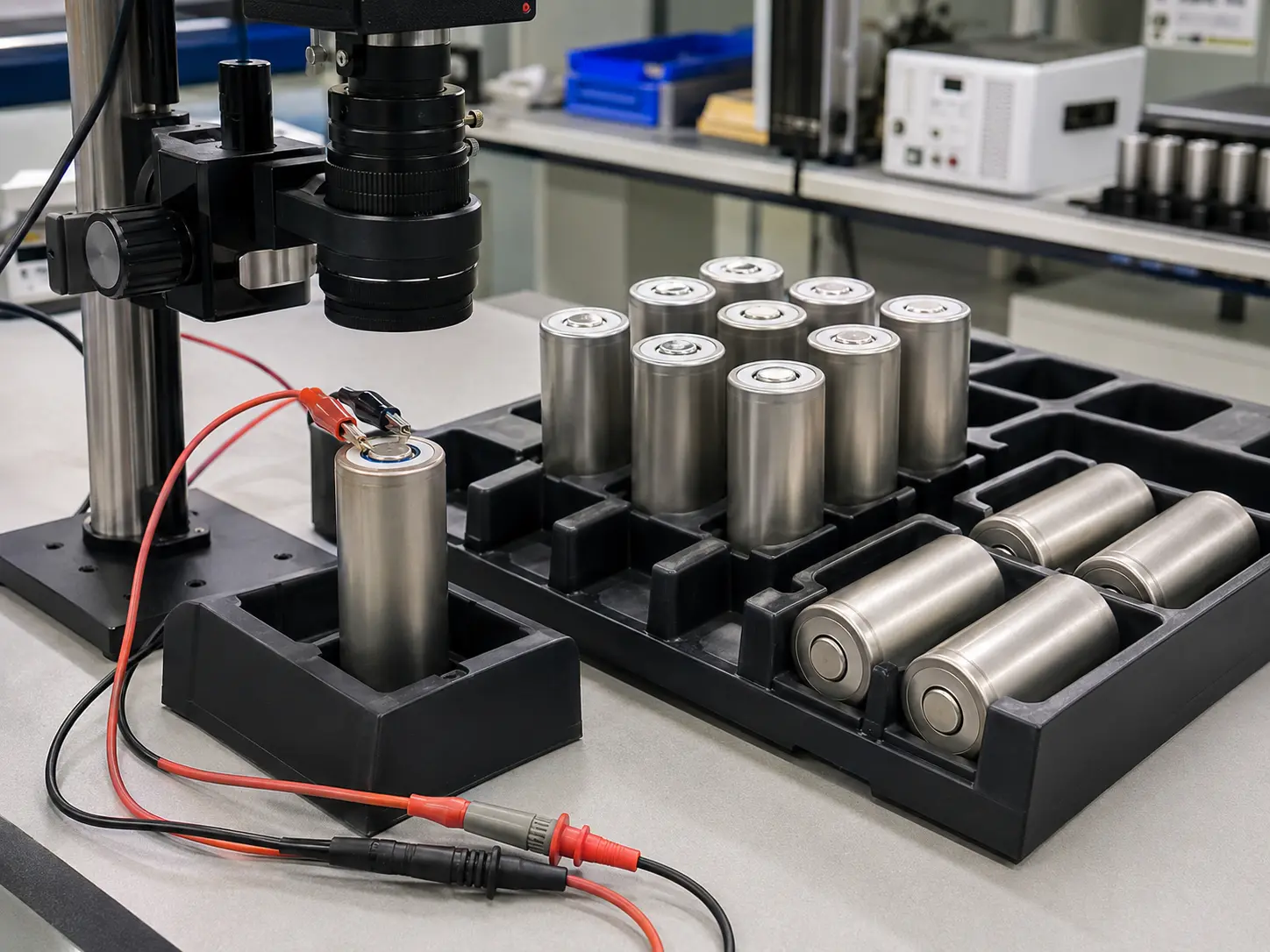
Our low-temperature evidence package
Project data links the exact cell or pack identity to temperature stabilization, starting SOC, current or C-rate, cutoff voltage, test duration and measured capacity or power.
Low-temperature battery FAQ
Send us the equipment duty and environmental limits. We will confirm the missing conditions before recommending samples or a custom pack.
A −40°C requirement can be evaluated, but this page does not claim that every sodium-ion cell or pack is rated for it. The exact cell, source evidence, cold-soak time, starting SOC, load, cutoff voltage and measured result must be confirmed before recommendation.
Charging must be specified separately from discharge. The exact product documentation and test evidence must support the allowable charging temperature, current and any delayed-charging or preheating strategy.
No. A minimum-temperature statement does not establish available capacity or power. Those values require product-specific evidence at the stated temperature, load, cutoff and cold-soak conditions.
We determine this from the charging window, cold-soak duration, required readiness, enclosure and available auxiliary power. A suitable cell can reduce heater demand, but the pack-level thermal design still follows the application.
Provide minimum discharge and charging temperatures, cold-soak time, voltage, continuous and peak load, runtime, charging window, space, protection needs, quantity and project stage.
Yes. We review the cell basis, voltage and load, BMS limits, enclosure, interfaces, thermal approach, compliance scope and expected volume before preparing the module or pack proposal.
Cold-climate project review
Share the minimum discharge and charging temperatures, cold-soak time, load, runtime, space and project quantity.