“We need a 51.2V rack battery for telecom backup. Existing 19-inch cabinet, 3kW load, about two hours. The inverter model is available, but CAN protocol is not confirmed.”
Battery RFQ & selection guide
Send what you know.
We will help close the gaps.
You do not need a finished battery specification. Share the equipment, operating problem and known limits; we will organize the missing items into a practical product and quotation path.
Incomplete inputs welcomeNo generic cabinet recommendation
Start with known information
Eight inputs make the first response useful.
Tick what you already know. Leave the rest open—we will tell you which gaps matter now and which can wait.
Open the RFQ with this context →Actual inquiry example
From a short 51.2V rack battery request to a quotable scope.
The purpose is not to force the buyer to complete every field. It is to show how a few known facts create the next useful engineering questions.
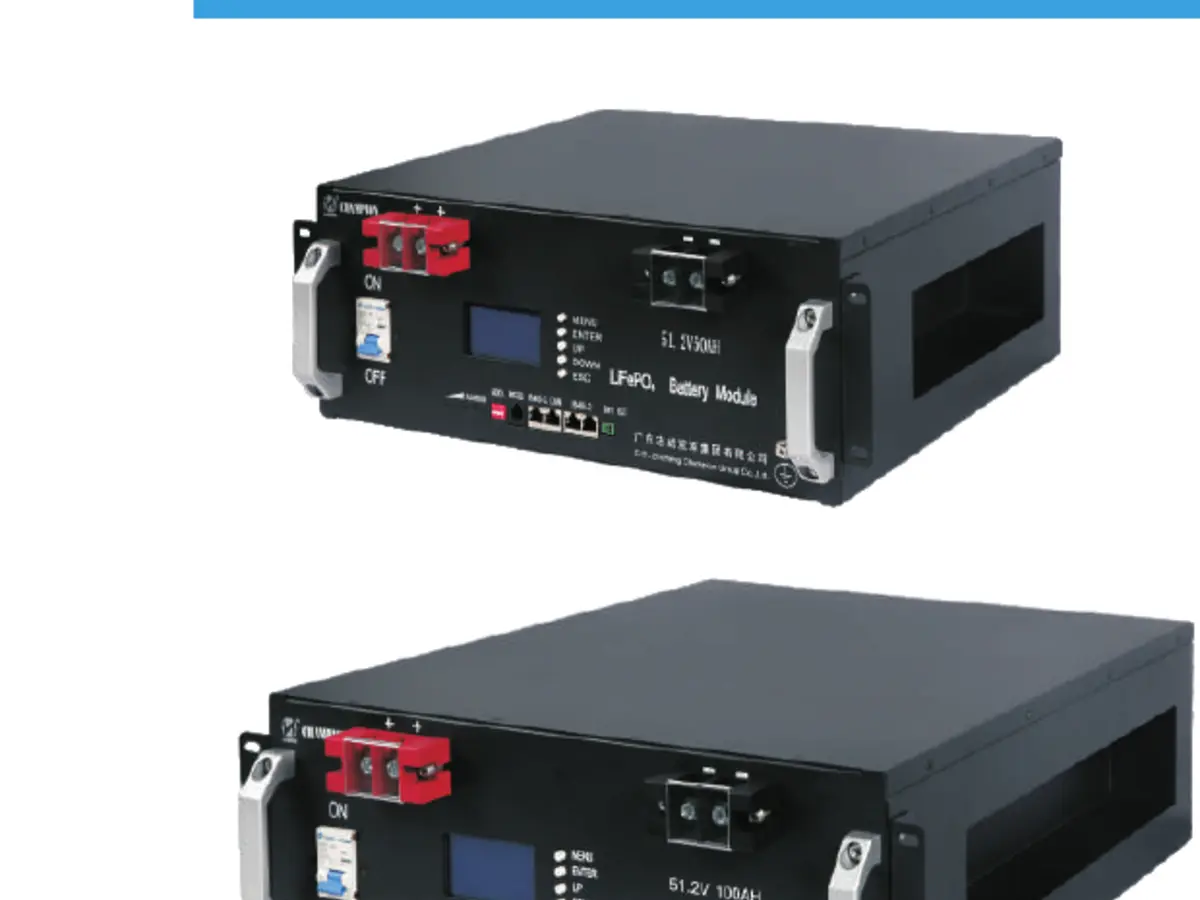
- Energy target: start review around the stated load and runtime
- Confirm inverter DC window and charging limit
- Check rack depth, weight and cable access
- Request CAN protocol or supported inverter evidence
- Confirm quantity, destination and redundancy policy
What you receive
The first response should move the project forward.
Instead of asking you to “provide complete specifications,” we turn the information available into four concrete outputs.
Product direction
Cell, custom module, rack battery or complete ESS pathway.
Gap list
Only the missing items that affect selection or quotation.
Document path
Relevant specification, protocol, evidence or compliance request.
Commercial next step
Sample, configuration review or quotation scope.
Compare on the same basis
Ports and Ah labels can look equal while the project fit is not.
 INTERFACE VISUAL
WEAK COMPARISON
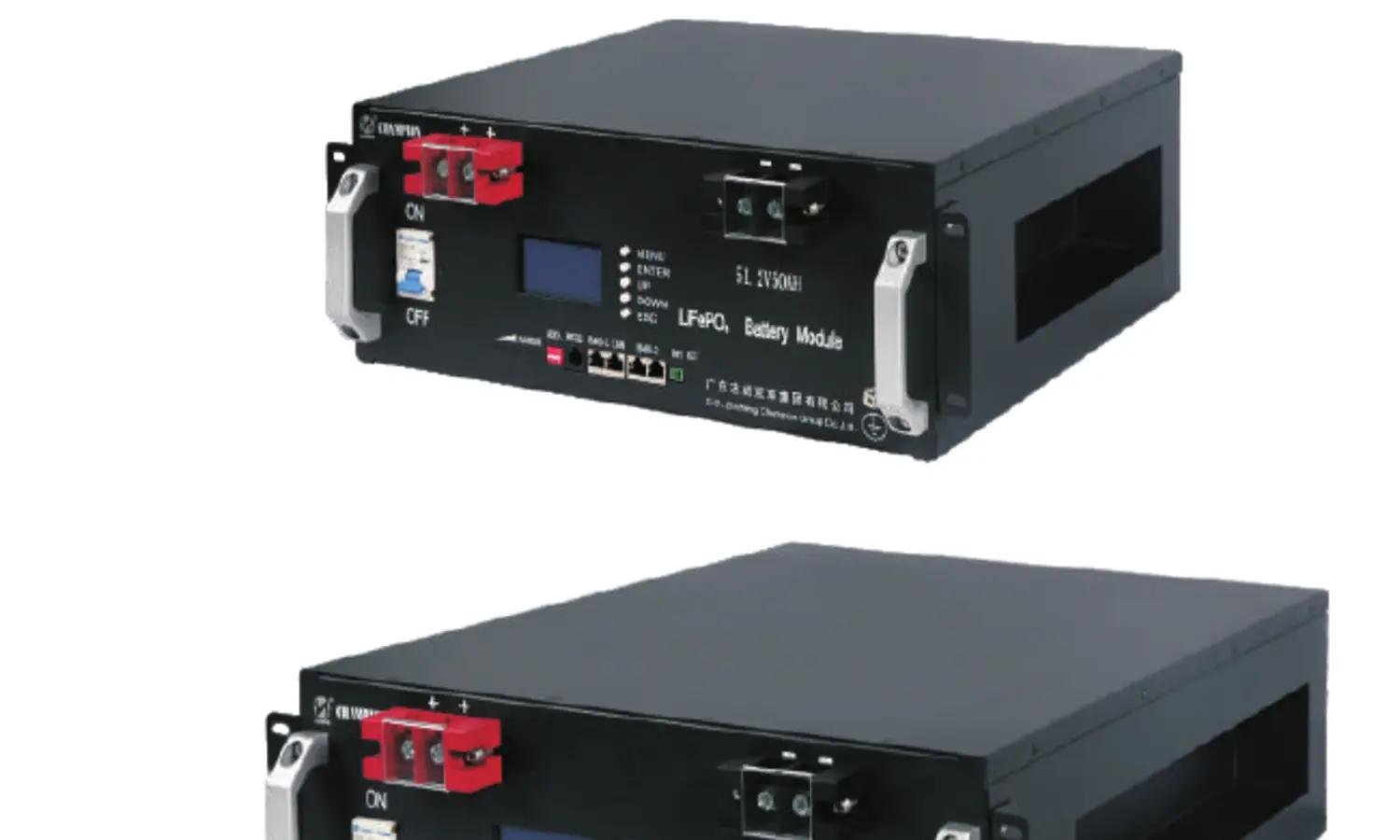
“Both are 100Ah and have CAN.”
This does not confirm energy, operating voltage, protocol, continuous current, rack depth or inverter support.
USEFUL COMPARISON
Match the full operating boundary.
- Nominal and usable energy
- Minimum and maximum voltage
- Continuous and peak current
- CAN message compatibility
- Dimensions, weight and delivery scope
Low-friction inquiry
Unknown values should start a discussion—not stop it.
Share the application and what is already fixed. We will identify the minimum information needed for the next decision.
Send What You Know ↗Can I send an inquiry without knowing Ah or kWh?+
Yes. Send the load, runtime and operating conditions you know. We can identify the missing sizing inputs.
Does a CAN or RS485 connector prove compatibility?+
No. The inverter or host model and protocol details still need to match.
What makes two quotations comparable?+
Use the same voltage window, usable energy, current, interfaces, documents, accessories and delivery scope.