 01
01LOW VOLTAGE
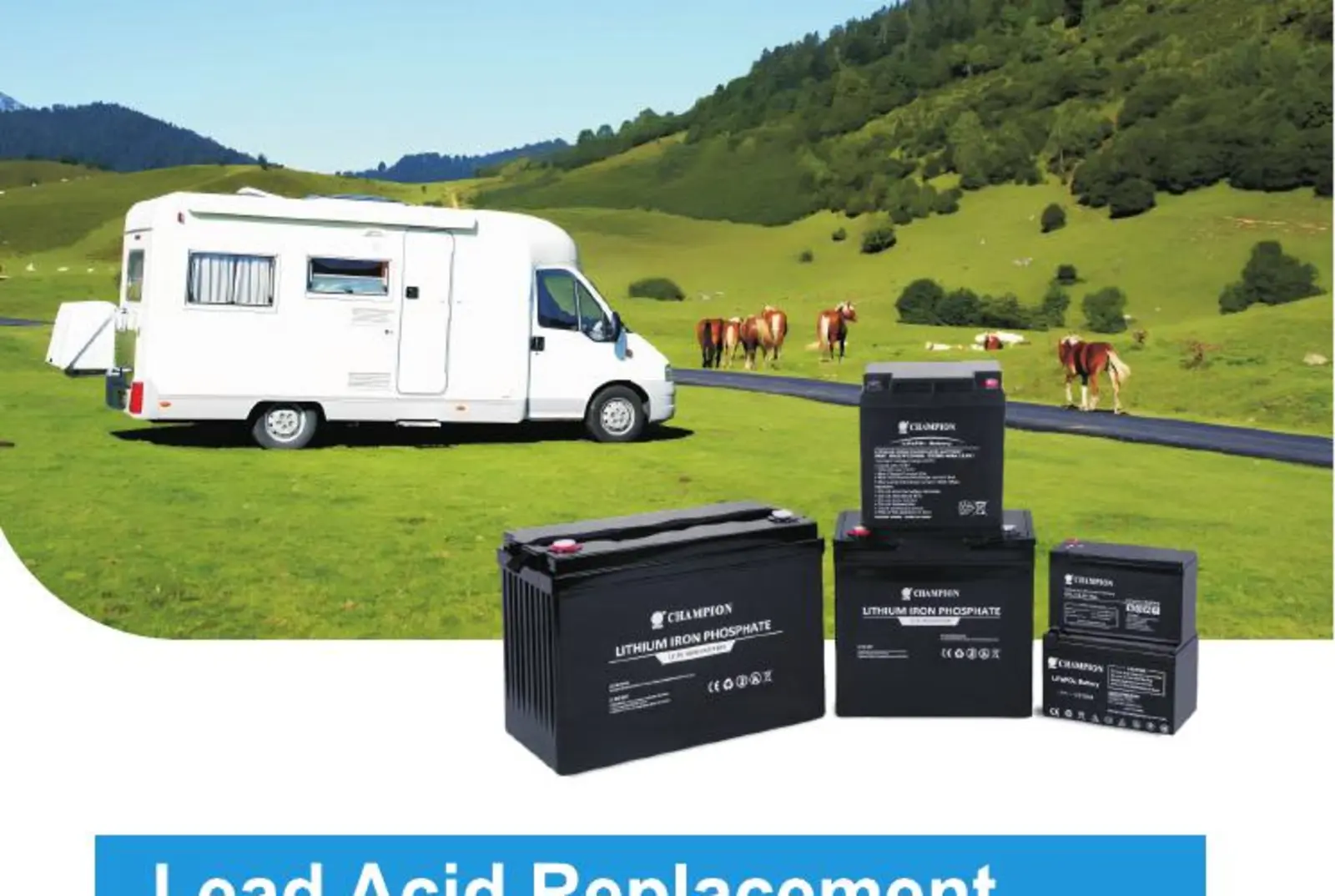
12V / 24V Lead-Acid Replacement
12.8V · 25.6V · 100–280AhRV, marine, solar lighting, telecom and UPS replacement review
View product family →LiFePO4 battery systems · 12.8V to high-voltage ESS
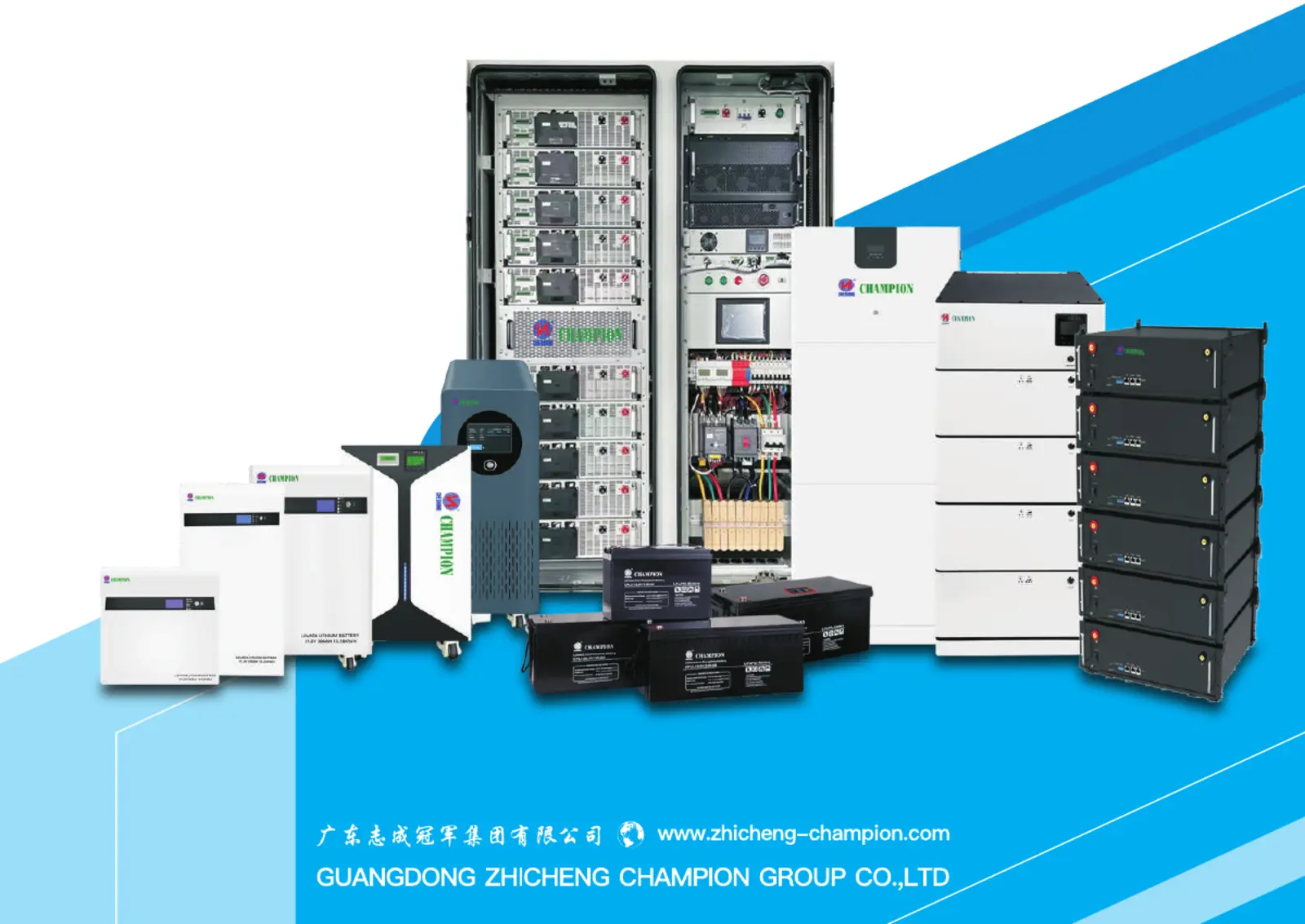
Compare 12V and 24V replacement batteries, 48V and 51.2V rackmount models, wall-mounted storage, high-voltage cabinets and container energy storage systems.
Product index
Product range
The product range is manufactured by Guangdong Zhicheng Champion Group Co., Ltd. Sodium Energy Systems supports product selection, export inquiries and document requests. Published values follow the supplied 2025 product catalogue; confirm the current model revision before ordering.
01RV, marine, solar lighting, telecom and UPS replacement review
View product family →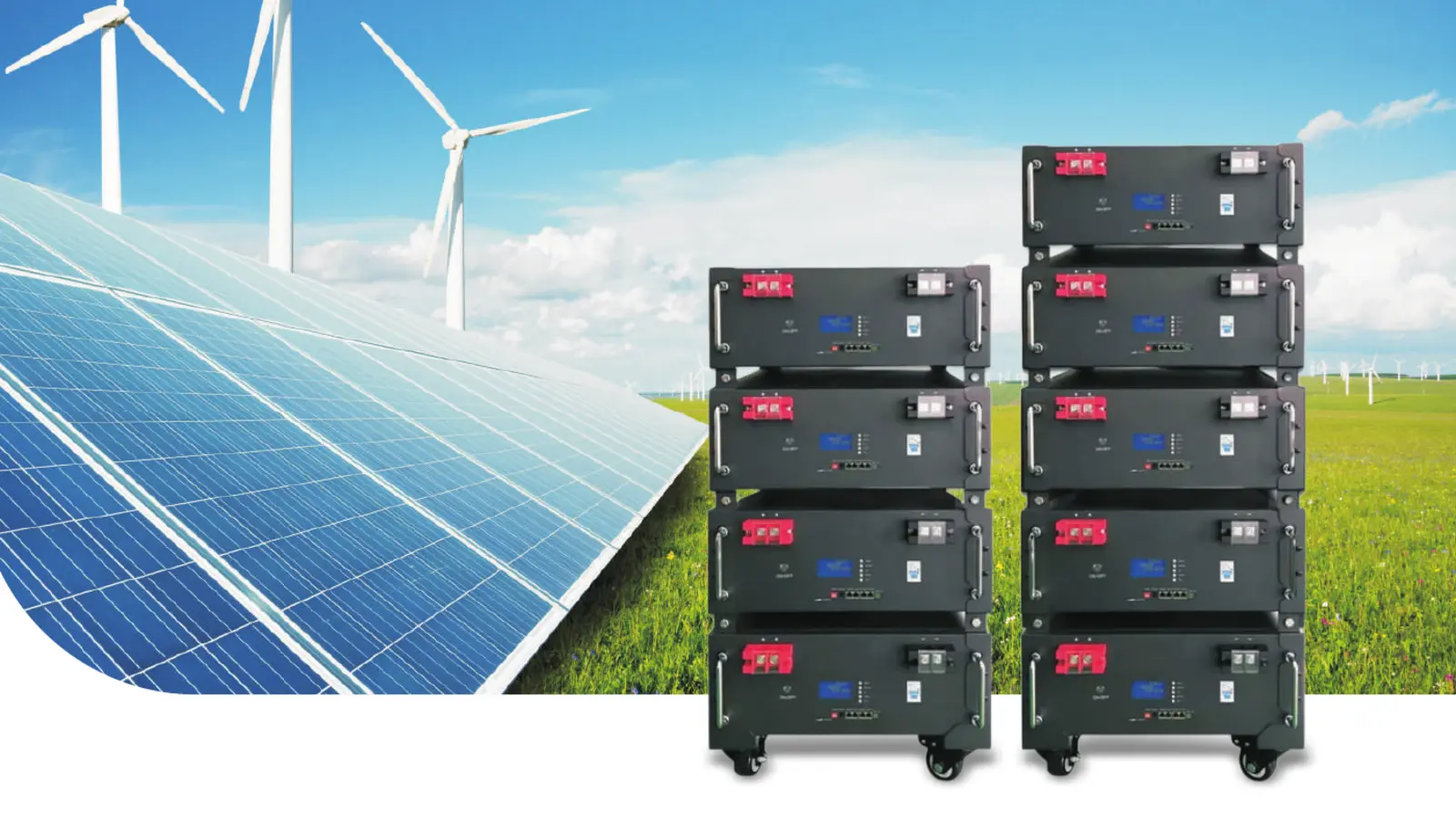 02
0219-inch racks, ESS, telecom, backup power and data-centre projects
View product family →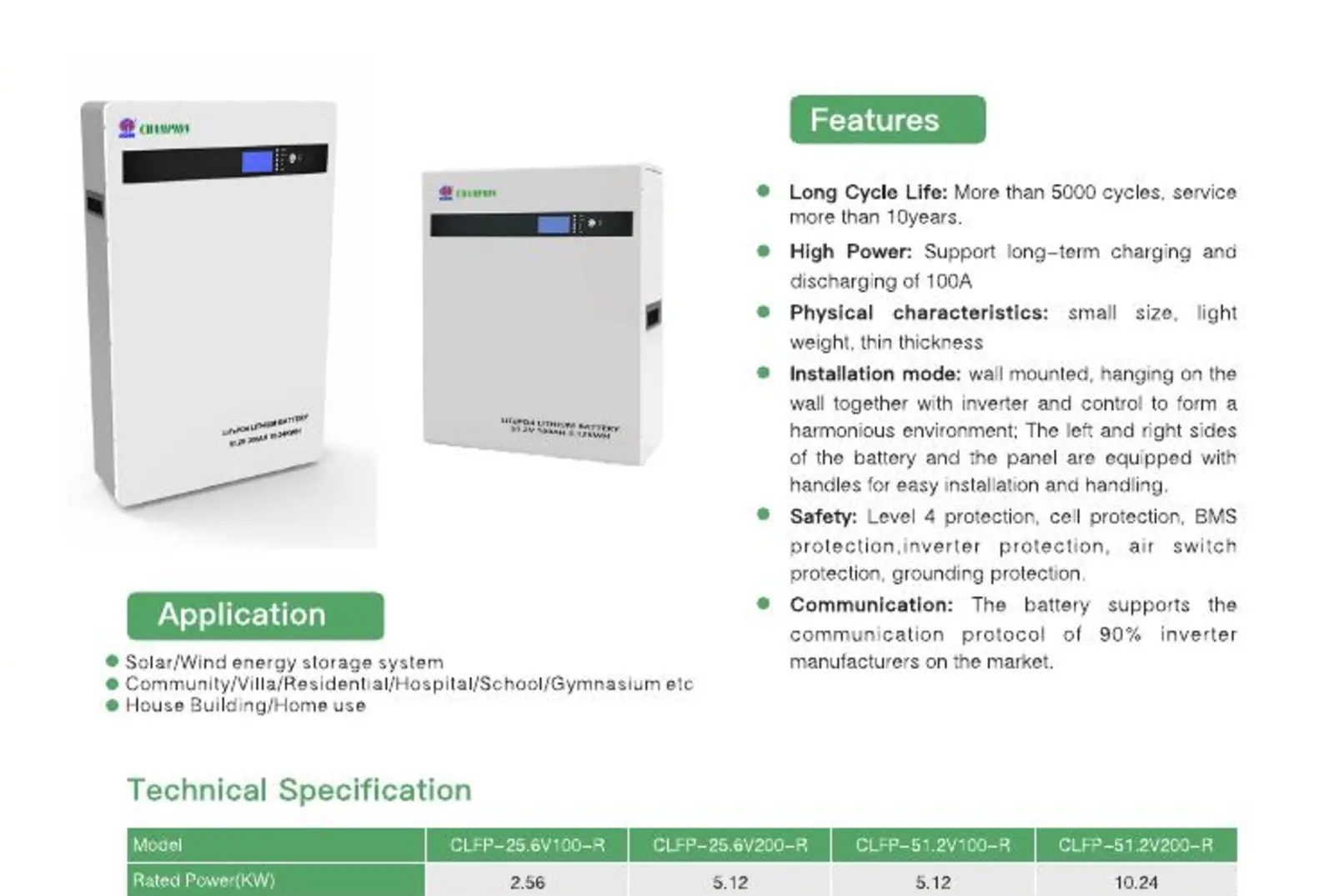 03
03Wall-mounted solar storage and distributed backup applications
View product family →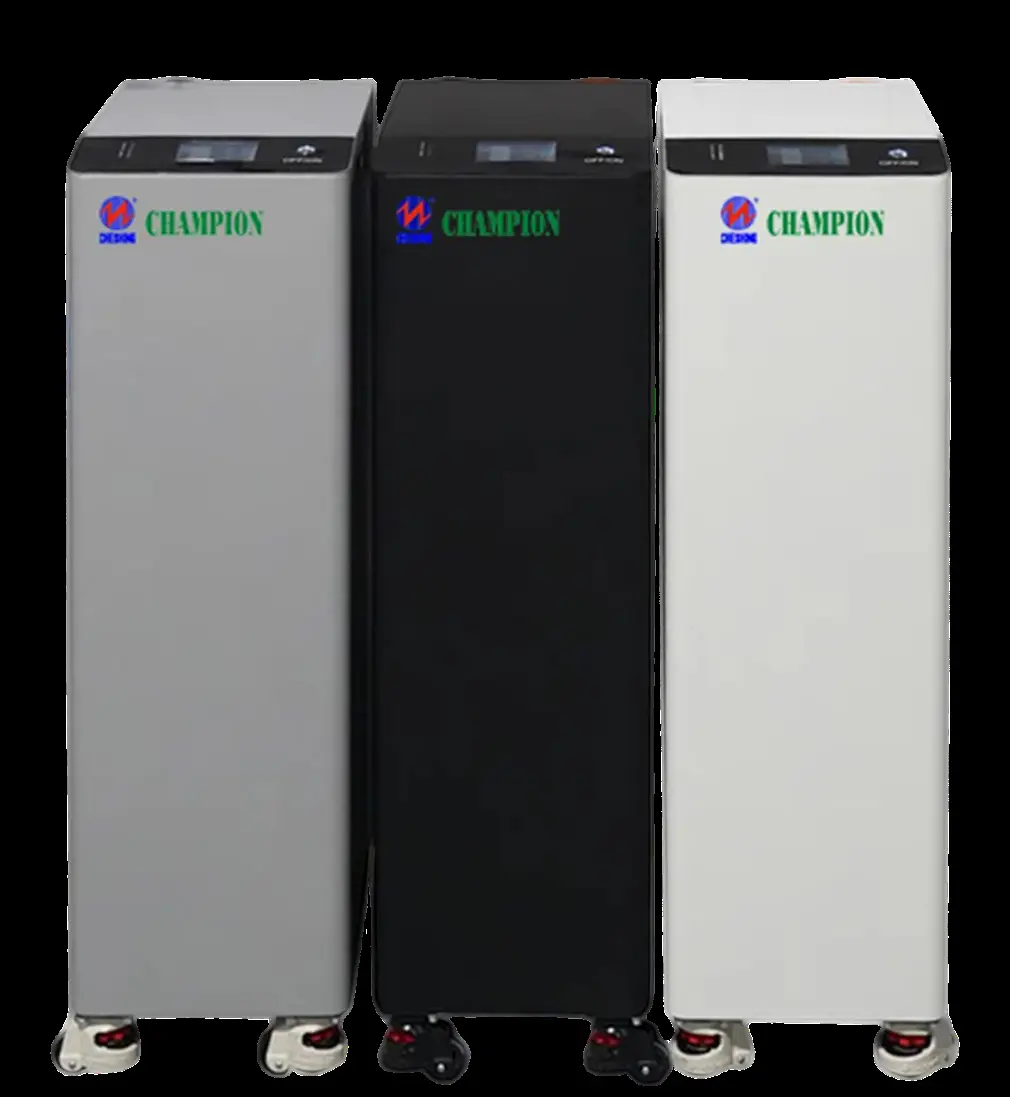 04
04Projects needing an integrated enclosure without wall loading or a 19-inch rack
View product family →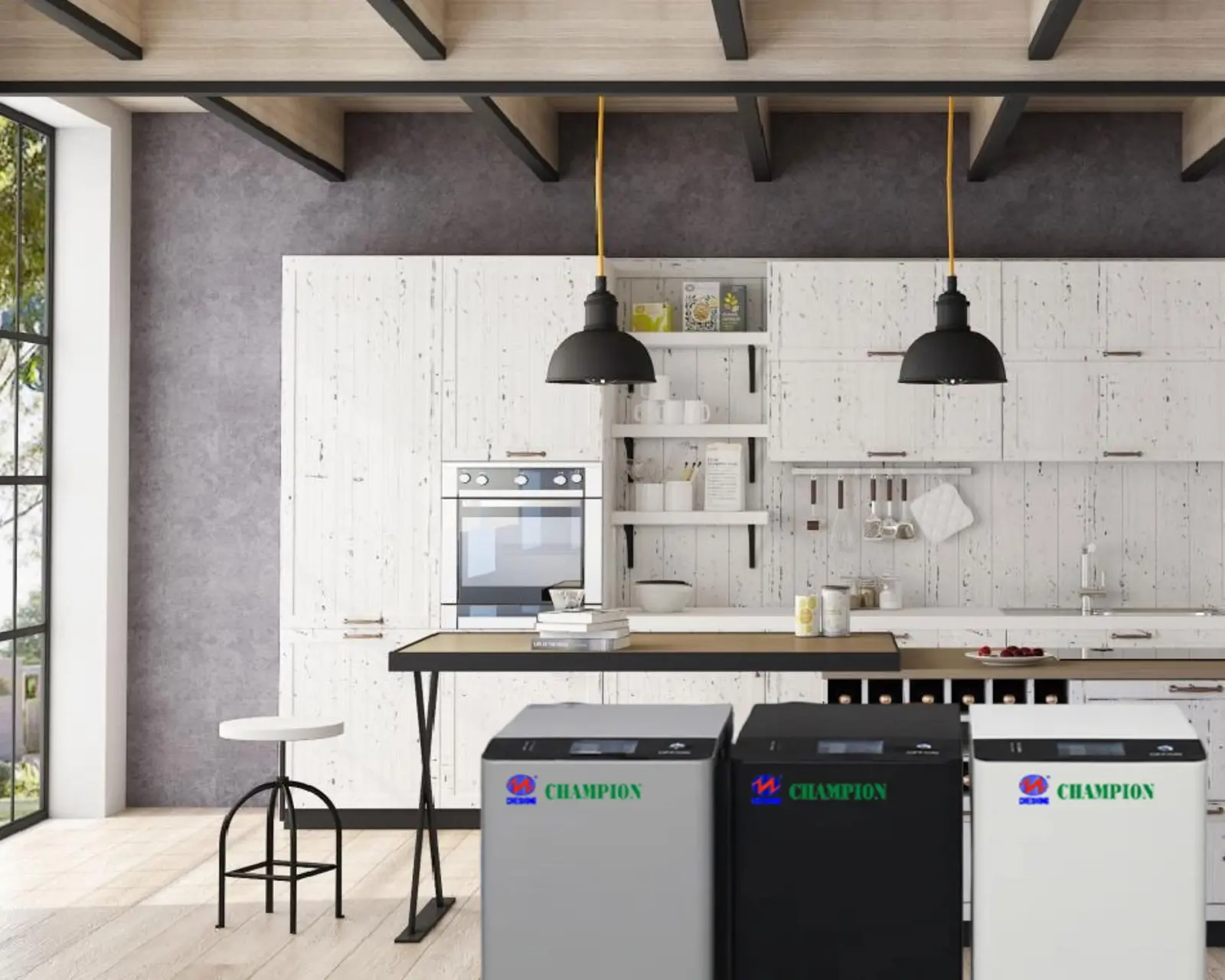 05
05Higher-capacity indoor storage in a compact vertical enclosure
View product family → 06
06Solar storage projects requiring a coordinated battery and hybrid-inverter pathway
View product family →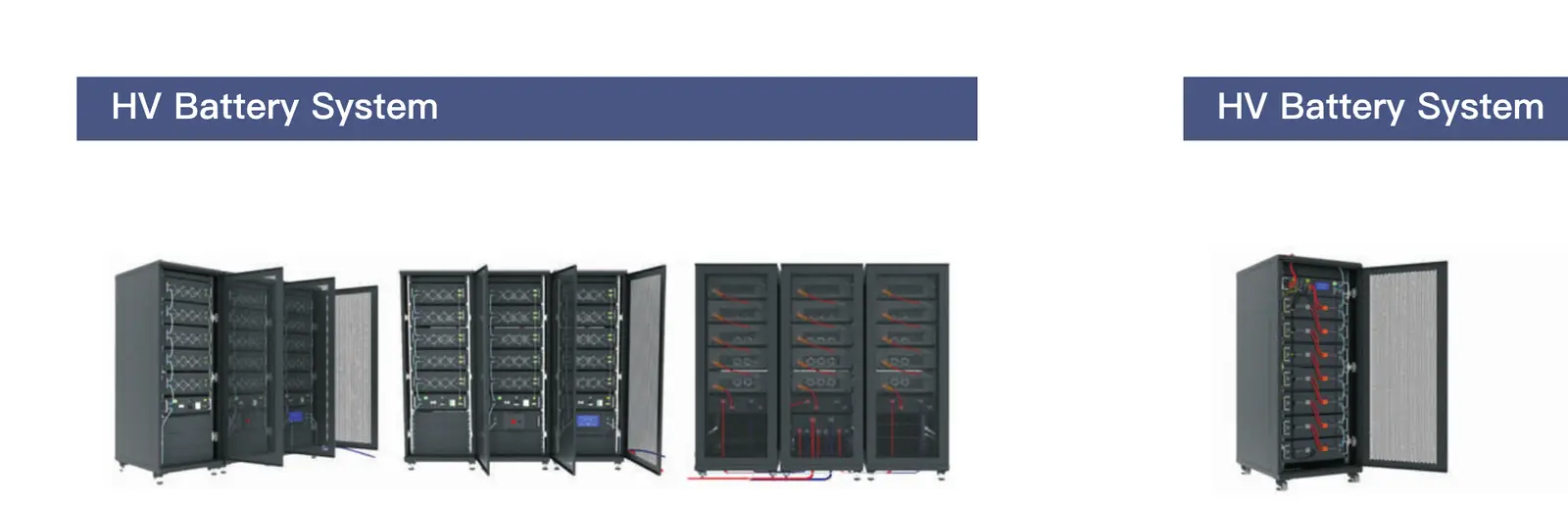 07
07Industrial ESS, microgrid, facility backup and high-voltage PCS integration
View product family →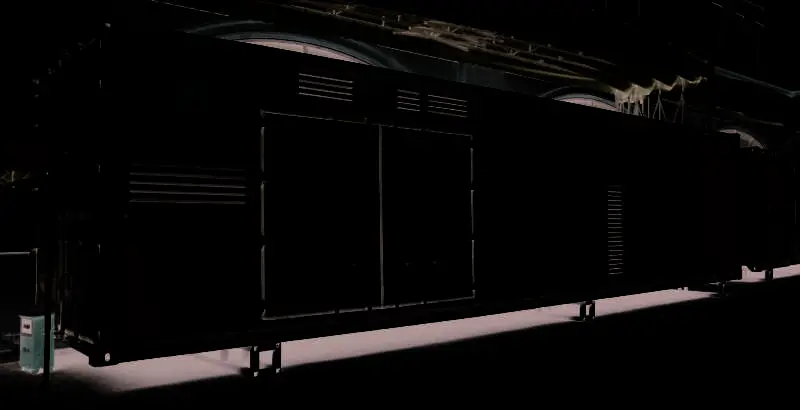 08
08Commercial, industrial and renewable-energy storage projects requiring system integration
View product family →Selection overview
The first useful comparison is the project boundary: voltage, installation, inverter or PCS, communication and system responsibility.
Buyer route
Select a family first. The dedicated page then explains models, decision points, current evidence and the inputs required for quotation.
LiFePO4 product FAQ
Exact specifications and certifications stay tied to the current model and document revision.
Start with the equipment voltage, inverter or PCS DC window, required energy and power, installation format and operating role. These inputs narrow the product family before a model is selected.
The supplied Champion Lithium Battery Catalogue 2025 presents these product families. Current availability, manufacturing entity, exact model revision and supporting documents must be confirmed for the project.
Yes. Use the dedicated rackmount page and voltage guide. Selection must follow the inverter operating window, charging ceiling, communication protocol, rack depth and load current—not the nominal label alone.
Not automatically. The charger, low-voltage cut-off, peak current, terminals, physical restraint and application requirements must be reviewed.
OEM logo, enclosure, labelling, communication or other changes can be included in the inquiry. Feasibility, engineering scope, MOQ, tooling and lead time require manufacturer confirmation.
Request the current model datasheet, drawing, BMS or communication information, available test reports, transport documents and certifications required for the target market.
No. A complete ESS may also require PCS or inverter, protection, controls, EMS, cabling, thermal management, fire strategy, installation and commissioning.
Send the target family or model, application, voltage, power, runtime, inverter or PCS, installation constraints, communication, quantity, destination and required documents.
LiFePO4 technical RFQ
Share voltage, load, runtime, inverter or PCS, installation format, quantity and destination. We will identify the correct product and document path.