Industrial and telecom applications

Battery Energy Storage Applications
Defined by the Operating Requirement

Factory backup, telecom infrastructure, commercial peak management, solar integration and remote sites may all use energy storage—but they do not share the same load, controls, environment or evidence requirements.

LOAD & RUNTIMETEMPERATURESYSTEM INTERFACESEVIDENCE REVIEW
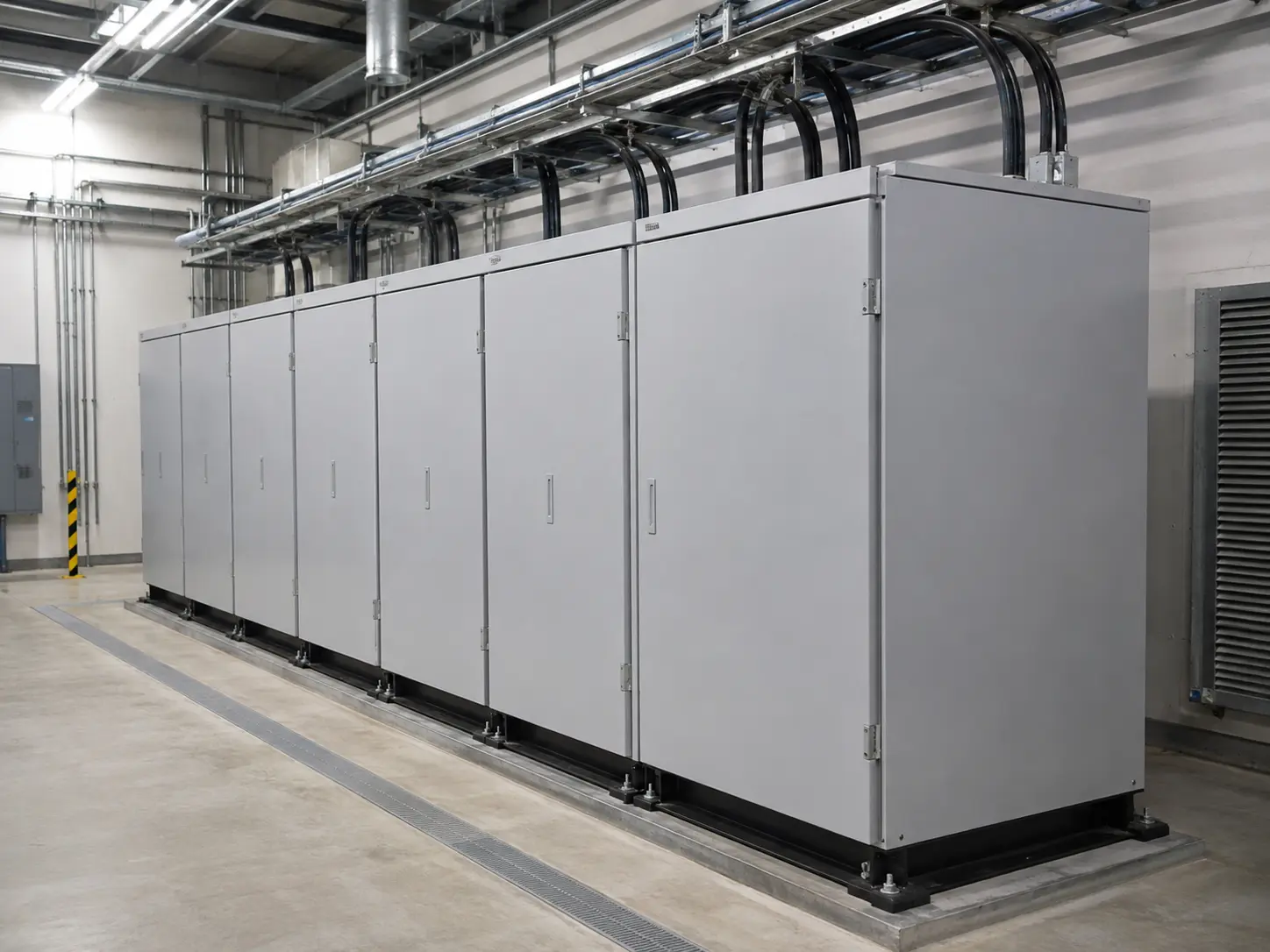
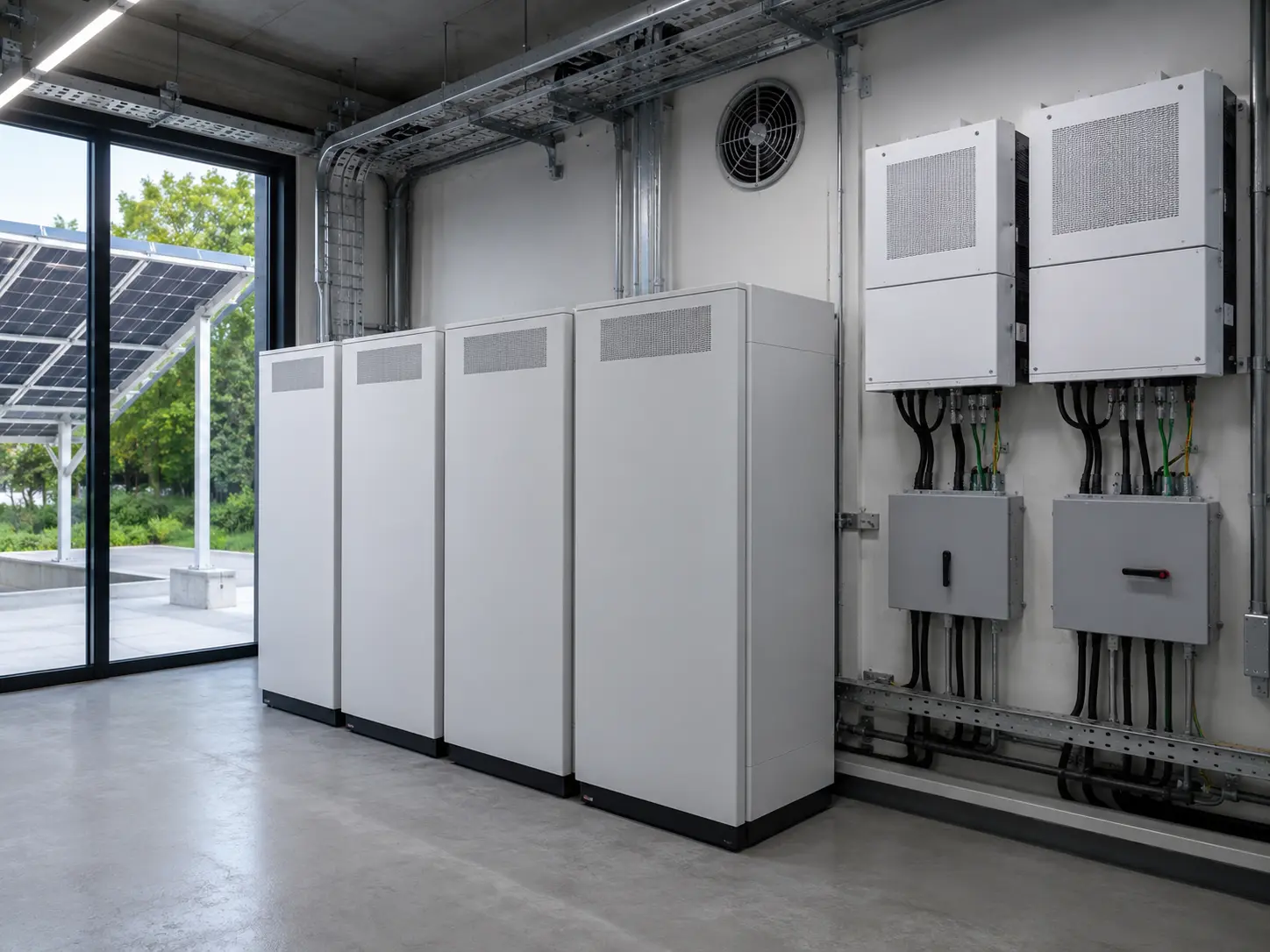
Industrial battery energy storage cabinets installed beside factory electrical equipment
APPLICATION CONCEPTIndustrial storage architecture shown for context; final equipment and ratings require project confirmation.

Choose by use case

The application determines what must be engineered.

A useful inquiry goes beyond “How many kWh?” Power demand, duty cycle, recharge time, control behavior, enclosure and service access can change the architecture even when two projects request the same nominal capacity.

Industrial energy storage cabinets beside factory power-distribution equipment01

APPLICATION 01

Factory backup & process continuity

Support selected production loads, controls or critical process equipment during grid disturbances and planned transitions.

Questions that shape the solution

  • Which loads must remain online?
  • What transfer interruption is acceptable?
  • Is the target runtime minutes or hours?
Explore this pathway ↗
Commercial battery energy storage installation in a building services area02

APPLICATION 02

Commercial energy storage

Coordinate peak management, backup priorities, tariff strategy and available plant-room space for offices, retail, campuses or mixed-use facilities.

Questions that shape the solution

  • What drives the business case?
  • Which loads are essential?
  • Where can the system be installed?
Explore this pathway ↗
Battery storage equipment supporting a commercial renewable-energy installation03

APPLICATION 03

Solar, microgrid & renewable integration

Balance variable generation with consumption, reserve requirements and the control strategy of an on-grid or island-capable system.

Questions that shape the solution

  • How much generation is available?
  • Is island operation required?
  • What daily cycling is expected?
Explore this pathway ↗
Battery module with protected terminals and monitoring interface for remote equipment04

APPLICATION 04

Telecom & remote infrastructure

Plan around unattended operation, communications, environmental exposure, service intervals and the actual outage history of the site.

Questions that shape the solution

  • What is the DC load profile?
  • How often can service visit?
  • Which alarms and protocols are needed?
Explore this pathway ↗
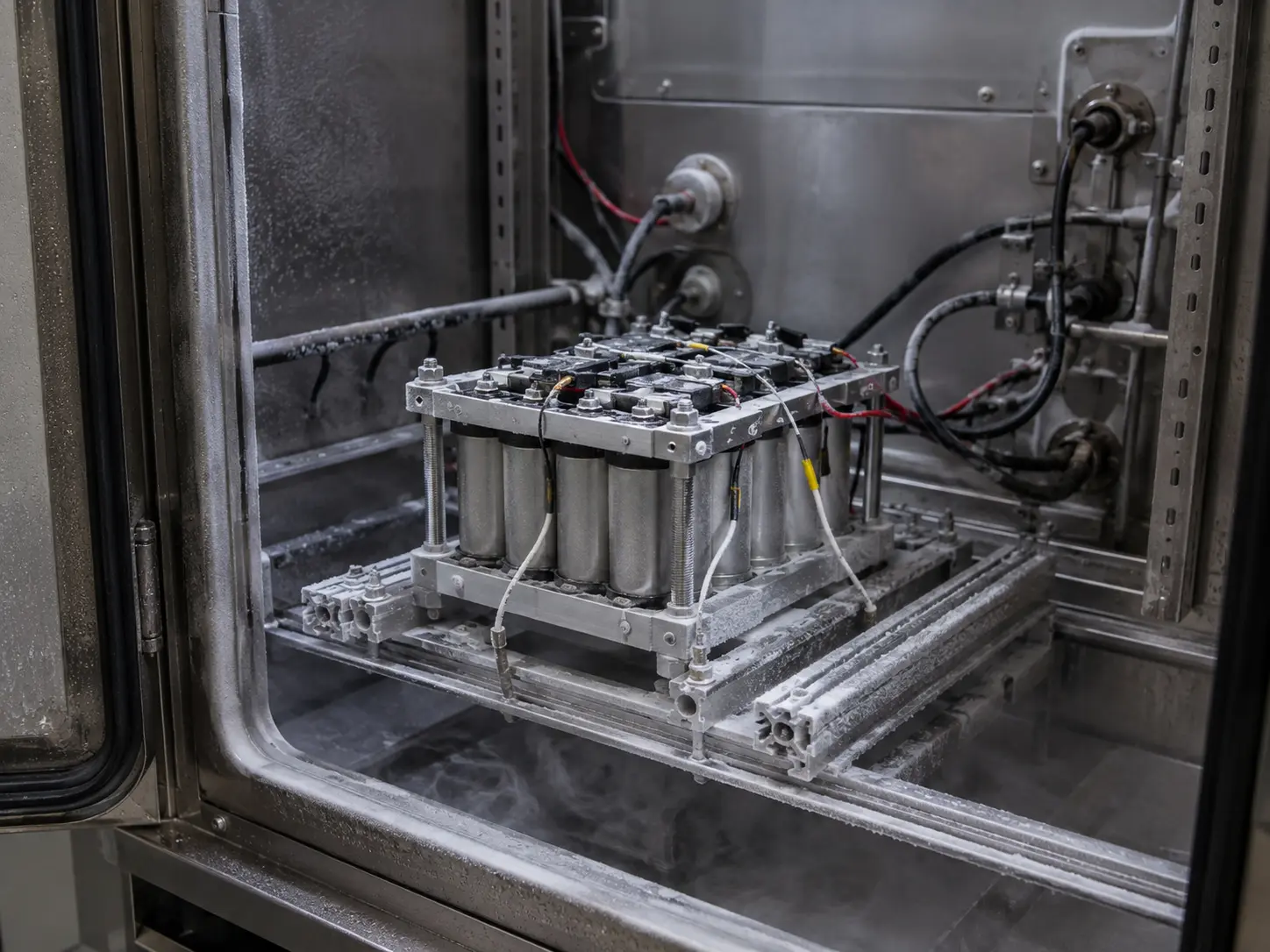
Battery cells and temperature probes arranged for a low-temperature chamber test05

APPLICATION 05

Cold-climate & cold-chain equipment

Evaluate discharge, charging permission, state of charge and thermal design at the real minimum operating temperature—not at room temperature alone.

Questions that shape the solution

  • Minimum cell temperature?
  • Charging below 0°C?
  • Outdoor or insulated enclosure?
Explore this pathway ↗
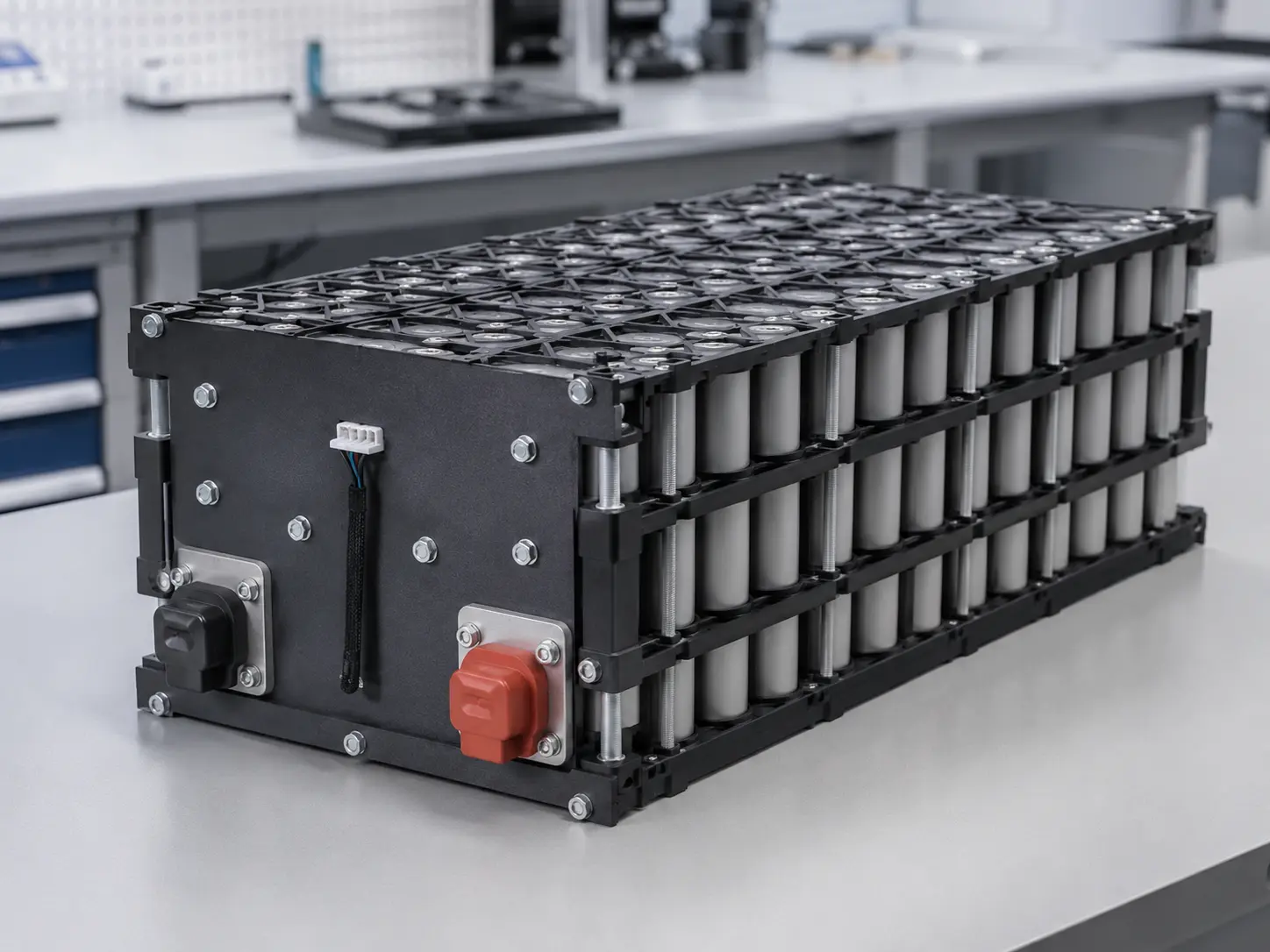
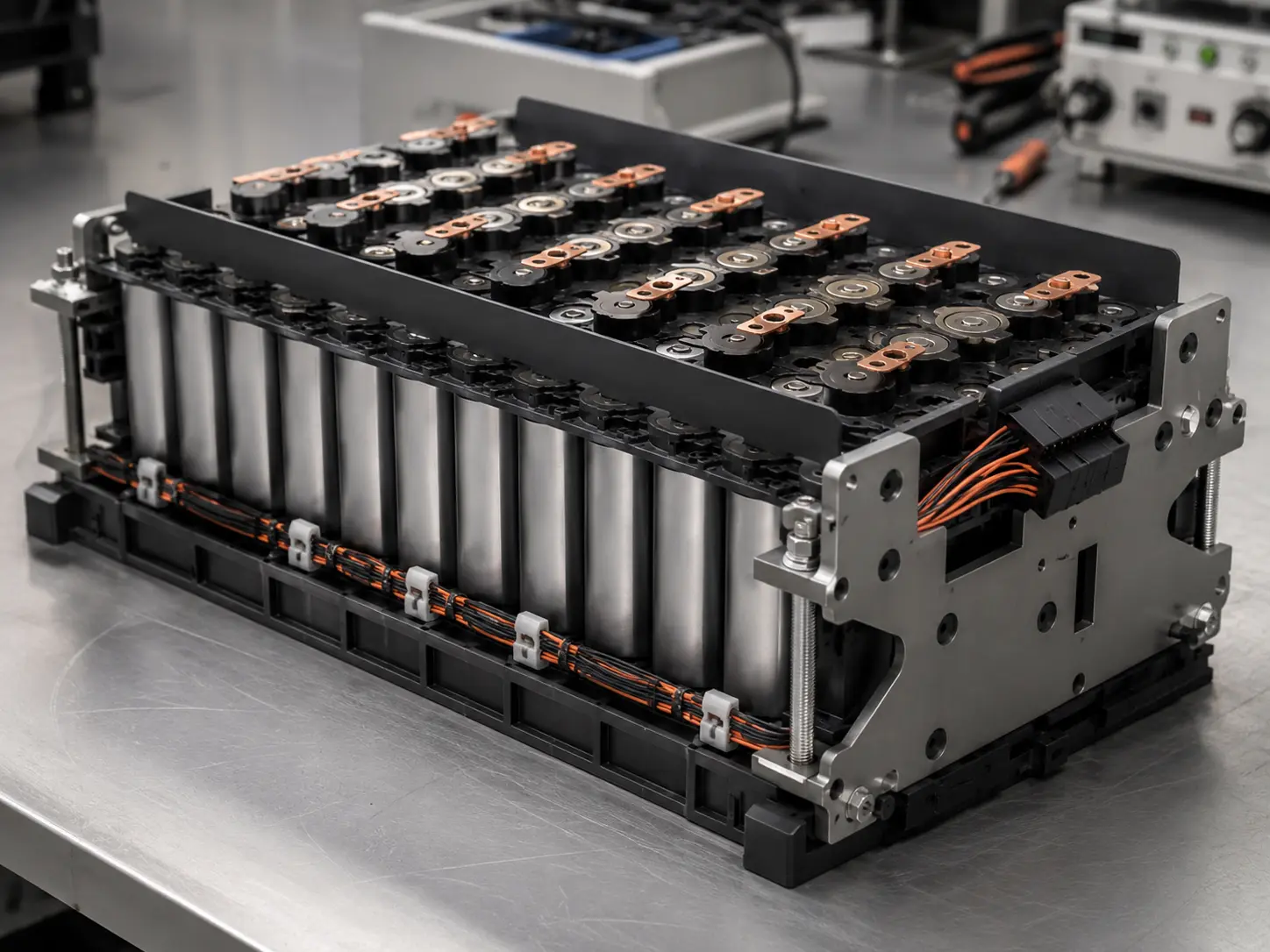
Cylindrical-cell battery module assembly with holders busbars and sensing harness06

APPLICATION 06

Custom industrial equipment

Develop a cell, module or battery-pack pathway around equipment that cannot accept a generic rack or standard voltage label.

Questions that shape the solution

  • Voltage and peak current?
  • Available space and mounting?
  • Prototype and annual quantity?
Explore this pathway ↗

Application comparison

Similar hardware labels.
Different engineering questions.

This comparison is a discovery tool, not a product-selection table. Exact cells, modules, PCS, BMS and enclosure decisions follow project evidence.

Decision areaFactory backupCommercial ESSSolar & microgridTelecom / remote
Primary questionCan the equipment continue operating?Can energy cost and resilience improve?Can generation and load stay balanced?Can the site run unattended?
Load dataCritical-load list, inrush and transfer behaviorInterval demand, peak window and backup loadsGeneration curve, consumption and island loadsDC load, radio peaks and auxiliary loads
Typical design focusPower quality, runtime and integration with site protectionUsable energy, operating schedule, space and acousticsCycle strategy, PCS/EMS coordination and reserveEnvironmental protection, monitoring and service interval
Common missing inputMeasured peak powerRepresentative interval dataControls and curtailment objectiveMinimum temperature and outage history

From inquiry to direction

A practical qualification path.

We separate known requirements, missing evidence and engineering decisions before a product or architecture is presented as suitable.

  1. 01

    Define the load

    Continuous power, peaks, inrush, critical circuits, interruption tolerance and desired runtime.

    OUTPUT · LOAD BASIS
  2. 02

    Map the environment

    Minimum and maximum temperature, indoor or outdoor location, space, ventilation and maintenance.

    OUTPUT · SITE ENVELOPE
  3. 03

    Confirm interfaces

    Voltage, PCS or inverter, communications, protection boundary, mounting and external connections.

    OUTPUT · INTEGRATION SCOPE
  4. 04

    Review evidence

    Exact product identity, documents, test conditions, compliance needs, quantities and project stage.

    OUTPUT · NEXT ACTION

Prepare a useful inquiry

Six inputs make the first response more precise.

Unknown values can remain open. Sharing what is known helps avoid a generic quotation that does not match the equipment or site.

Submit Technical RFQ
01Equipment or site being supported02Continuous, peak and starting power03Required runtime and recharge window04Operating and charging temperature05Available space and electrical interfaces06Prototype, annual quantity and schedule

Application FAQ

Questions buyers ask before selecting a system.

The answers define a responsible qualification process. Project specifications and commercial terms still require confirmation.

Which sodium-ion energy storage application should I start with?+

Start with the equipment or site problem rather than chemistry. Identify the load, required runtime, temperature, available space and reason for storage. These inputs determine whether the next step is cell evaluation, a custom battery pack or a complete energy-storage-system review.

Is sodium-ion suitable for every stationary energy storage project?+

No. Suitability depends on the exact commercial cell, verified operating data, system architecture, temperature, current, cycle duty, compliance needs and project economics. The chemistry name alone is not an approval.

How do you size an industrial or commercial battery system?+

Sizing begins with measured load data, critical-load priorities, acceptable interruption, required runtime, recharge window and reserve policy. Nameplate load alone often overstates or understates the real requirement.

Can an energy storage system work with solar or a microgrid?+

Potentially, but the battery must be coordinated with the inverter or PCS, energy-management controls, generation profile, grid-connection rules and any islanding objective. These interfaces are reviewed as a system.

What changes for outdoor or low-temperature installations?+

Cell temperature, charging restrictions, enclosure rating, condensation control, thermal design, cable entry and maintenance access all become design inputs. Ambient temperature alone does not establish the cell temperature.

Can I request a quotation without complete engineering data?+

Yes. Send the known values, available drawings or load records and mark uncertain items. The first review can identify the missing information and a practical next step without inventing specifications.

Do the images on this page prove a factory, installation or test result?+

No. They are application and engineering concept visuals. Exact products, manufacturing source, certifications, ratings and test evidence must be confirmed for the specific project.

Application review

Bring us the operating problem—not a guessed battery size.

Share the load, runtime, temperature and project stage. We will identify the product evidence and engineering decisions needed next.